
The Political Implications of a New Census Initiative
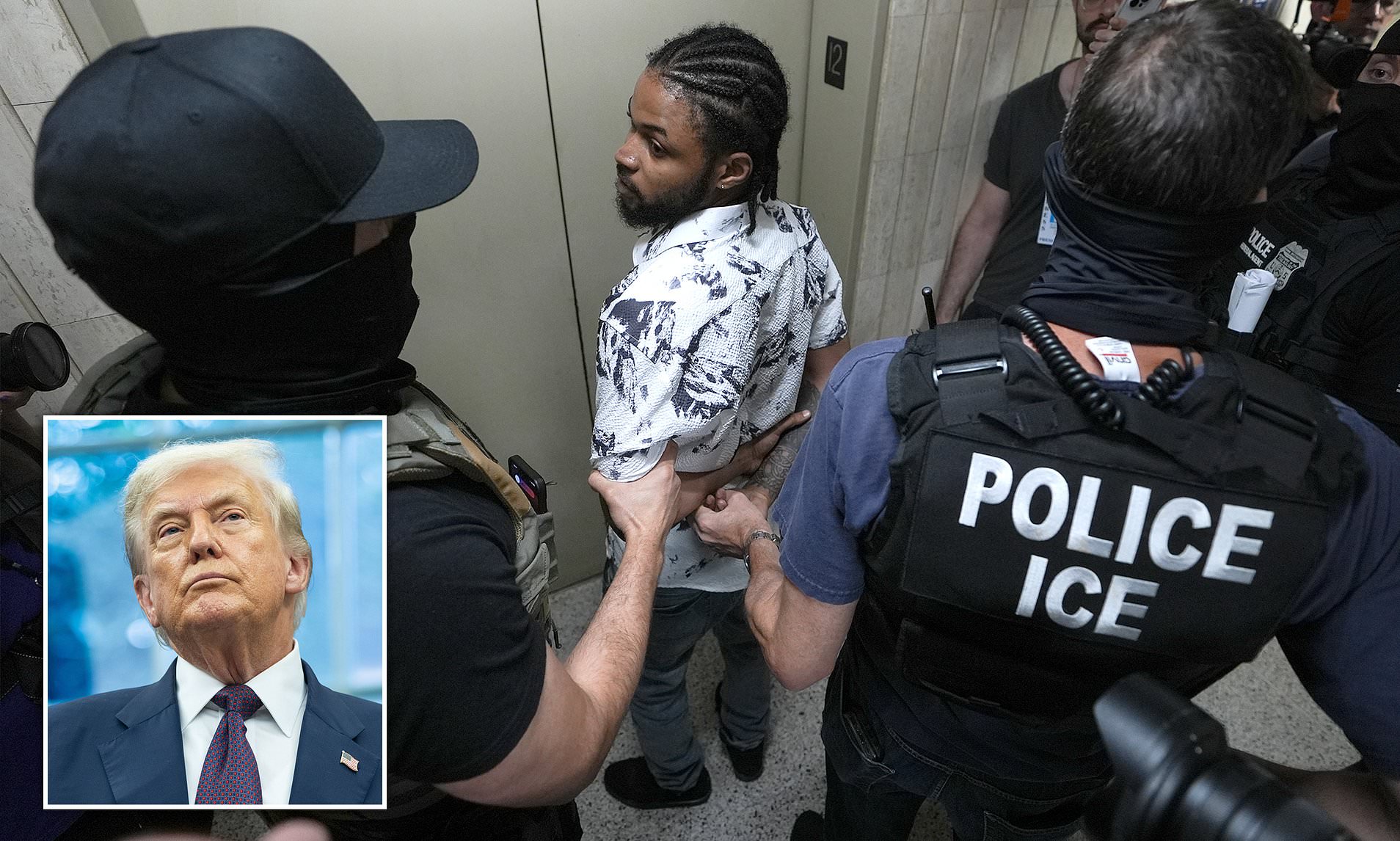
The recent announcement by former President Donald Trump has reignited the debate over the U.S. census and its role in shaping political representation across the country. Trump directed the Commerce Department to initiate a new census that would exclude illegal immigrants from the population count, a move that has sparked significant controversy and political reactions.
This initiative comes at a time when redistricting battles are intensifying across multiple states. The process of redrawing congressional maps is crucial for determining political power, especially as both Democrats and Republicans vie for control in upcoming midterm elections. In Texas, for instance, the GOP's efforts to redraw the state’s congressional map have led to Democratic lawmakers fleeing the state to prevent a vote on redistricting.
Trump’s decision to push for a mid-decade census is seen as an attempt to influence the balance of power in Congress. By excluding undocumented immigrants from the population count, the president aims to adjust the number of seats each state holds in the House of Representatives and the distribution of federal funds. This could have far-reaching consequences, particularly for states with large populations of unauthorized immigrants.
The Role of the Census in American Politics
Traditionally, the U.S. conducts a census every 10 years, with the most recent one taking place in 2020. The next census is scheduled for 2030. The data collected during this process is essential for determining the number of congressional seats each state receives and for allocating federal resources. Additionally, the census plays a critical role in deciding how many electoral votes each state gets in presidential elections.
Currently, the U.S. Census Bureau includes unauthorized immigrants in its population figures, considering all individuals residing in the United States, regardless of citizenship status. However, Trump's proposal challenges this long-standing practice, asserting that those who are in the country illegally should not be counted.
This approach mirrors previous efforts by Trump to alter the census. During his first term, he attempted to add a citizenship question to the 2020 census, which faced legal challenges and was ultimately revoked by President Joe Biden in 2021.
Impact on Political Representation
The implications of Trump's new census initiative extend beyond just numbers. If implemented, it could significantly reduce the number of House seats and electoral votes for states like California and New York, which have large populations of undocumented immigrants. These states are often considered strongholds for the Democratic Party.
However, the impact may not be limited to blue states. Red states such as Florida and Texas also have substantial populations of undocumented migrants, according to the Pew Research Center. This raises questions about how the proposed changes might affect political dynamics in these regions.
Reactions and Controversies
The announcement has drawn sharp reactions from both sides of the political spectrum. Critics argue that excluding undocumented immigrants from the census would distort the true population count and undermine the principle of equal representation. Supporters, on the other hand, see it as a necessary step to ensure that only legal residents are accounted for in the political process.
White House deputy chief of staff Stephen Miller has defended the initiative, claiming that “20 to 30 of House Democrat seats wouldn't exist but for illegal aliens.” Such statements have further fueled the debate over the fairness and accuracy of the census.
As the discussion continues, the outcome of this new census initiative could have lasting effects on the political landscape of the United States. Whether it will lead to a more accurate representation of the population or exacerbate existing divisions remains to be seen.