
The Hidden Danger of False Morels and Their Link to ALS
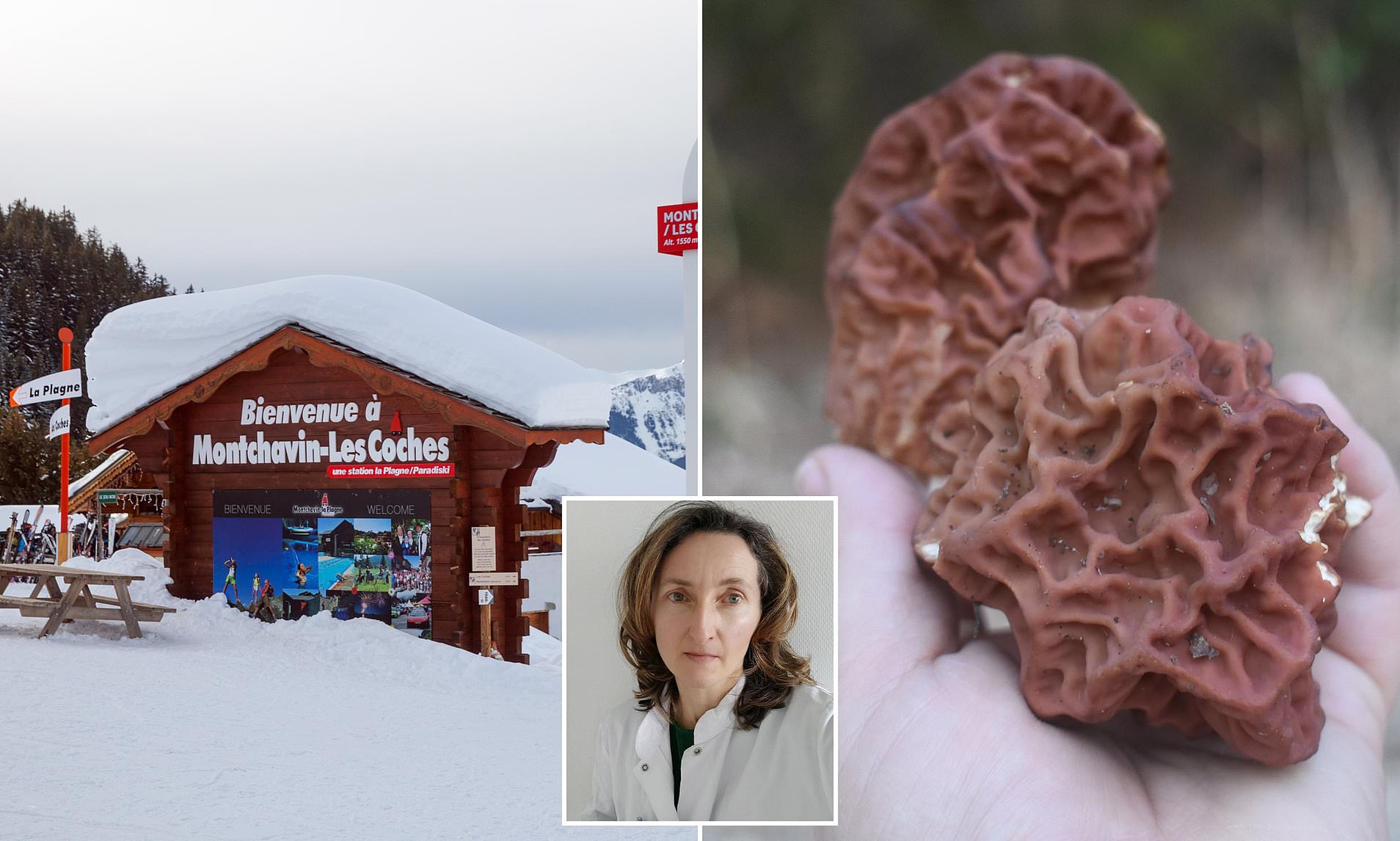
A seemingly harmless wild mushroom, often mistaken for a gourmet delicacy, could be putting foodies at risk of a devastating neurological condition. Known as false morels, these mushrooms are not only toxic but have been linked to a rare and severe disease known as Amyotrophic Lateral Sclerosis (ALS). This connection has raised alarms in a small village in the French Alps, where an unusual cluster of ALS cases has sparked scientific investigation.
True morels are highly prized in the culinary world for their unique flavor and seasonal availability. They are commonly used in high-end dishes such as risotto or cream sauces over steak. However, they have dangerous lookalikes—false morels—which can be extremely harmful if consumed. These deceptive fungi belong to the Gyromitra family and contain toxic compounds called hydrazines that can damage the nervous system.
While eating a small amount of false morels may cause gastrointestinal issues like abdominal pain and diarrhea, larger quantities can lead to seizures, multi-organ failure, and even death. One of the main toxins found in false morels is gyromitrin, which is also classified as a carcinogen. Despite these risks, some people continue to consume them, believing they offer health benefits.
In the village of Montchavin, located in the French Alps, a mysterious cluster of ALS cases has emerged over the past decade. With a permanent population of around 200 people, the village has seen 16 ALS diagnoses in ten years—an alarming rate far higher than the global average. If scaled to a population of 100,000, this would equate to 800 cases per year, making it one of the most concentrated areas of ALS in the world.
Dr. Emmeline Lagrange, a neurologist from Grenoble University Hospital, first became aware of the situation when a local resident was diagnosed with ALS. She later discovered that several other villagers had also been affected, and none of them had a genetic predisposition to the disease or a family history of ALS. This led her to investigate potential environmental factors, including diet.
Her research caught the attention of Dr. Peter Spencer, an environmental neuroscientist from Oregon Health & Science University. He has spent decades studying the link between food and ALS, particularly focusing on the role of toxins found in cycad seeds. His theory suggests that a compound in these seeds, called cycasin, can metabolize into a harmful substance known as methylazoxymethanol (MAM), which is known to damage DNA and cause neurological disorders.
When Spencer reviewed Lagrange’s findings, he noticed that the patients had consumed false morels, which contain a similar toxin called hydrazine. This led to a collaboration between the two researchers, who began analyzing the consumption patterns of the villagers.
Their study revealed that many of the ALS patients in Montchavin had been consuming false morels for years, despite knowing they were illegal and potentially dangerous. A local villager described how the mushrooms were part of a secretive group activity, with participants gathering in small circles to share the fungi.
The research team included both ALS patients and healthy villagers who consumed wild mushrooms but avoided false morels. Among the ALS patients, some had collected up to six pounds of the poisonous fungi each season and eaten them throughout the year. In some cases, symptoms of ALS appeared up to 20 years after initial exposure.
Dr. Lagrange concluded that the primary risk factor for ALS in Montchavin was the repeated ingestion of false morels. No other significant environmental or chemical exposures were identified, suggesting a direct link between the mushrooms and the disease.
Despite their toxicity, false morels are considered a delicacy in parts of Scandinavia, where chefs use them in seasonal menus for their distinct flavor. In Finland, the species was even featured on a postage stamp in 1974. The Finnish Food Authority advises consumers to boil and rinse the mushrooms thoroughly before eating, highlighting the importance of proper preparation.
However, amateur foragers often struggle to distinguish true morels from false ones. False morels resemble a reddish brain-like structure, making them easy to confuse with their edible counterparts. A 2024 study published in Toxicon reported 118 cases of false morel poisoning in Michigan between 2002 and 2020, with many victims suffering from severe gastrointestinal and neurological symptoms.
As scientists continue to investigate the connection between false morels and ALS, the case of Montchavin serves as a stark reminder of the hidden dangers lurking in the natural world. What may seem like a harmless food item can carry serious consequences, especially when consumed regularly over time.