
Background of the Case
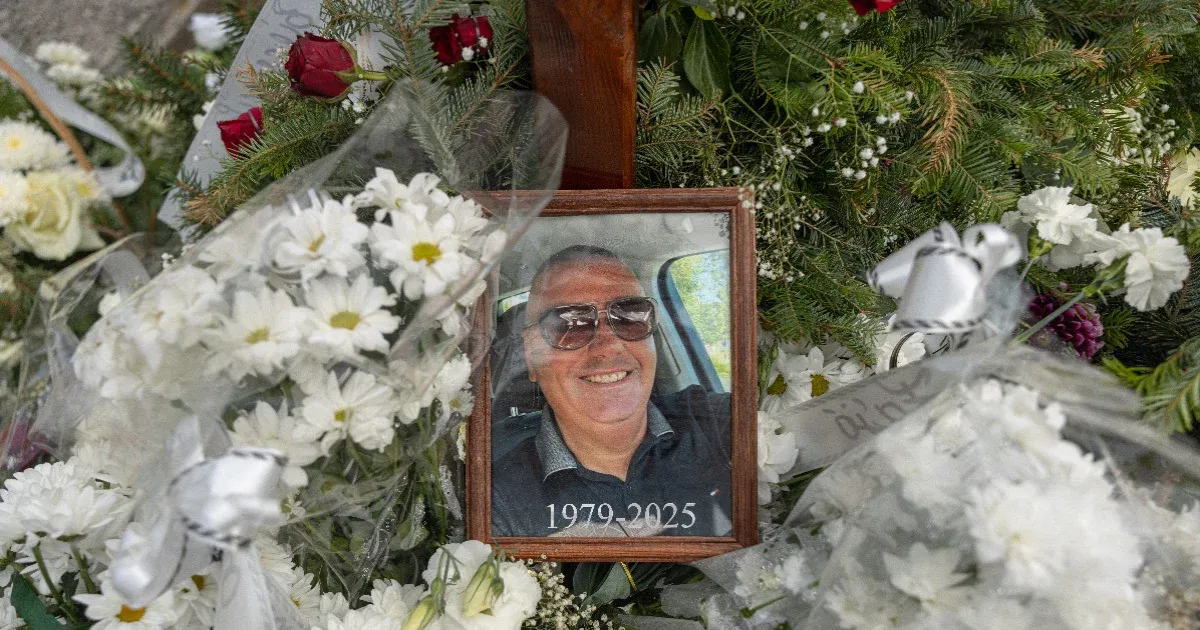
The death of József Sebestyén, a Hungarian ethnic minority member from Transcarpathia, has sparked significant controversy and debate. Ukrainian authorities have denied allegations that no investigation is being conducted into his death, stating that an inquiry is currently underway. The case has drawn attention due to conflicting narratives between official statements and accounts provided by the deceased’s family and friends.
According to the Ukrainian State Bureau of Investigation (DBR), Sebestyén was mobilized for military service in June 2025. He appeared before the medical commission in Uzhhorod on June 14 and was deemed fit for service. There were no immediate complaints about his health at that time. However, he left his place of service without permission on June 18 and sought medical attention the following day. He was admitted to the psychiatric ward in Berehove, citing symptoms such as headaches and pain consistent with a concussion.
Sebestyén was later transferred to the district hospital, where no serious injuries were found. On June 24, he was moved back to the psychiatric ward. His death was reported on July 6, and the police were notified on July 7. The DBR stated that no evidence of a violent death was found during the preliminary investigation.
Discrepancies in the Narrative
Despite the official statement, there are significant discrepancies in the account of Sebestyén’s final days. According to reports, he was transported to the psychiatric ward while unconscious, and although he regained consciousness, he did not speak again until his death. This raises questions about the circumstances of his transfer and the care he received.
The ongoing investigation is focused on potential abuse of authority by a military official, suggesting that the authorities are considering whether Sebestyén may have been denied timely medical assistance after expressing concerns about his health. This detail highlights the complexity of the case and the need for a thorough examination of events leading up to his death.
Conflicting Accounts and Public Response
The situation has been further complicated by differing accounts from Sebestyén’s family and acquaintances. Some reports suggest that he was severely beaten after being conscripted, which led to his death. Two videos have circulated online showing him in distress, with one video depicting him on all fours and another showing him in severe pain while paramedics reportedly told him to "pull himself together."
Hungarian media outlets, including Mandiner and Magyar Nemzet, have covered the story extensively, emphasizing the concerns raised by the victim’s family. These reports have contributed to growing public interest and scrutiny of the circumstances surrounding Sebestyén’s death.
Political and Social Implications
The case has also attracted attention from political figures. Hungarian Prime Minister Viktor Orbán shared a social media post related to the incident, though it featured a photo that was not of Sebestyén. Meanwhile, Russian expert András Rácz has called for calm and professionalism in handling the situation, stressing the importance of ensuring a fair and transparent investigation.
In contrast, Gergely Gulyás, a minister in the Prime Minister’s Office, suggested that the lack of an investigation by Ukrainian authorities might indicate that such treatment is common. This perspective has fueled further debate about the treatment of ethnic minorities and the transparency of military procedures in Ukraine.
Ongoing Questions and Calls for Transparency
As weeks have passed since Sebestyén’s death, the circumstances surrounding his passing remain unclear. The conflicting narratives from different sources highlight the need for a comprehensive and impartial investigation. The involvement of multiple parties, including the Ukrainian government, local communities, and international observers, underscores the sensitivity of the issue.
Calls for transparency and accountability continue to grow, with many urging authorities to provide more detailed information about the events leading up to Sebestyén’s death. The case serves as a reminder of the importance of addressing concerns raised by affected communities and ensuring that all individuals receive appropriate care and protection.