
Wildfires in Turkey: A Growing Crisis
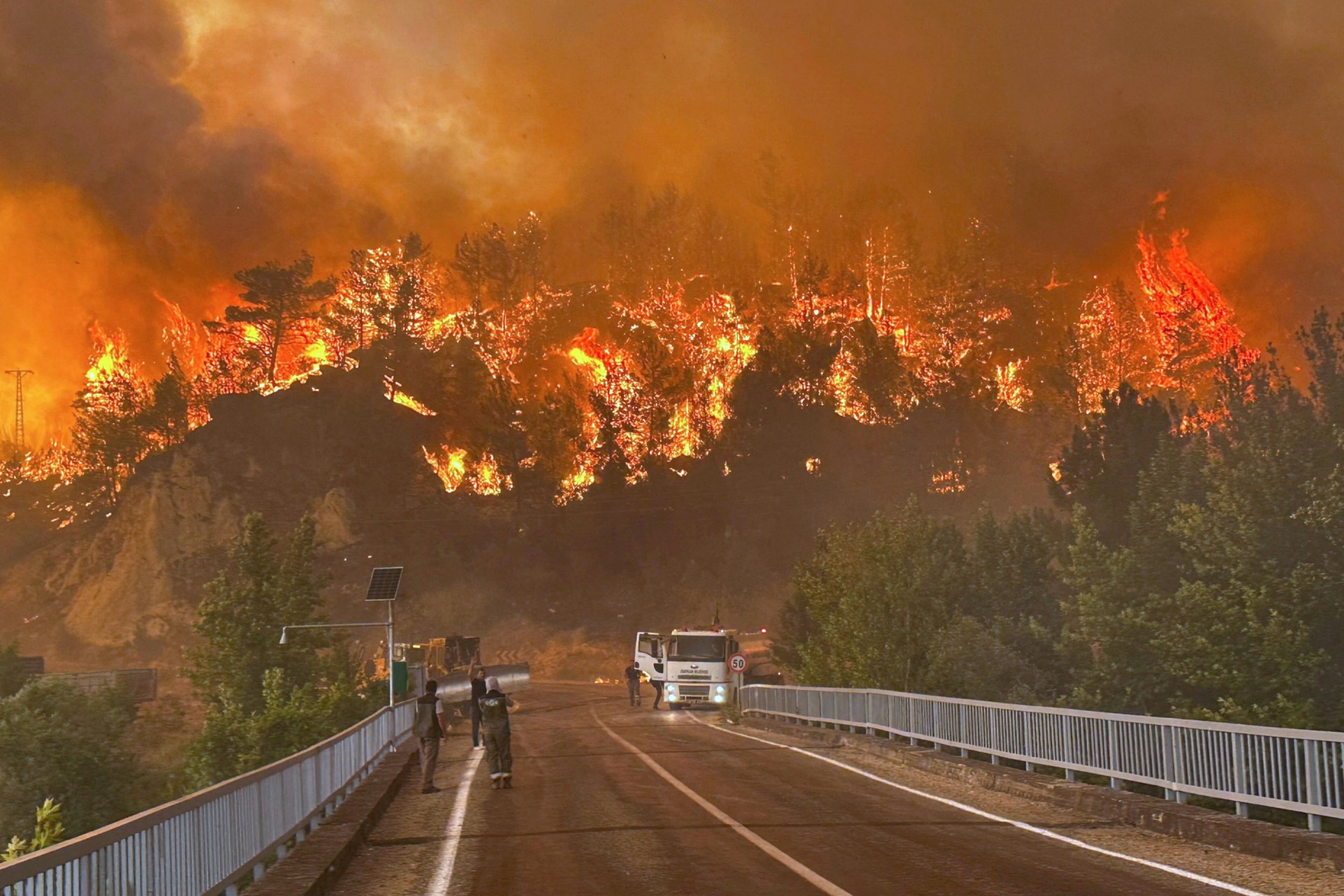
Wildfires that have been raging across Turkey for weeks are now threatening to engulf the country’s fourth-largest city, raising concerns among travelers about whether it is safe to visit. These deadly blazes have already claimed 14 lives, including one firefighter, and forced over 1,700 people to flee their homes.
The fires have spread rapidly in the forested region around Busra, in northwest Turkey, leading to the closure of the highway to the capital, Ankara. Meanwhile, firefighters in Greece and the Balkan countries of Bulgaria and Montenegro are also battling blazes fueled by record temperatures, strong winds, and dry conditions. Orhan Saribal, an opposition member of parliament, described the scenes as “an apocalypse.”
Affected Areas in Turkey
Turkey's government has declared the western provinces of Izmir and Bilecik as disaster areas. The northwest of the country is under the greatest threat. In the city of Karabuk, where wildfires have burned since Tuesday, 1,839 people have been evacuated from 18 villages, according to local authorities.
Fires have also been raging in Kahramanmaras, in southern Turkey, and across the southwestern Strumyani region. Additionally, wildfires erupted along Turkey’s Mediterranean coast in the popular holiday destination of Antalya. However, places beyond the affected areas, including key tourist destinations such as Istanbul and Dalaman, are not affected and remain safe to visit.
Extreme Heat in Turkey
Turkey recorded its highest temperature ever of 50.5°C in the southeastern Sirnak province on Friday, according to the General Directorate of Meteorology. The extreme heat is forecast to ease gradually this week, with temperatures returning to close to average for many locations.
Thunderstorms have been erupting across central Europe, with flash flooding in Italy and the Balkans, as the mercury drops. By Tuesday, storms are expected across Romania and the Black Sea, and temperatures are due to return to normal for most of Greece and western Turkey.
Safety of Travel to Turkey
Yes, it is safe to travel to the vast majority of Turkey. While the Foreign Office has not advised against travel, it does warn that wildfires happen frequently during the summer. The FCDO warns that you can be fined and imprisoned for lighting a fire of any kind or throwing cigarettes in risk areas such as forests or woodland.
If a fire breaks out in your area, you should call emergency services on 112 and follow the advice of local authorities.
Flight Status and Compensation
As of 9am Monday, 28 June, all departures and arrivals at Ankara’s Esenboga Airport are operating normally. It is advisable to check with your airline before traveling to any of the affected regions. Subscribing to push notifications can help you stay updated on the status of your flight.
In terms of compensation, airlines do not need to compensate for delayed or cancelled flights in ‘extraordinary circumstances,’ which includes natural disasters such as wildfires, earthquakes, extreme weather, and volcanic eruptions. However, if your flight is delayed because of such circumstances, your airline does have an obligation to offer you food, drink, and accommodation depending on the length of the delay.
Exploring Turkey in 2025
For those planning to visit Turkey in 2025, there are new opportunities to explore historic and hidden gem destinations with new UK flight routes. From all-inclusive hotels to unique travel experiences, Turkey continues to offer a range of options for travelers seeking adventure and cultural immersion.