
Lagos State Leads Nigeria’s HIV Response with Strategic Commitment
Lagos State has solidified its position as a leader in Nigeria's fight against HIV, with Governor Babajide Sanwo-Olu officially closing the 7th National Council on AIDS (NCA). His remarks emphasized the importance of stakeholders working together to promote sustainable and inclusive interventions, especially in light of evolving global health trends.
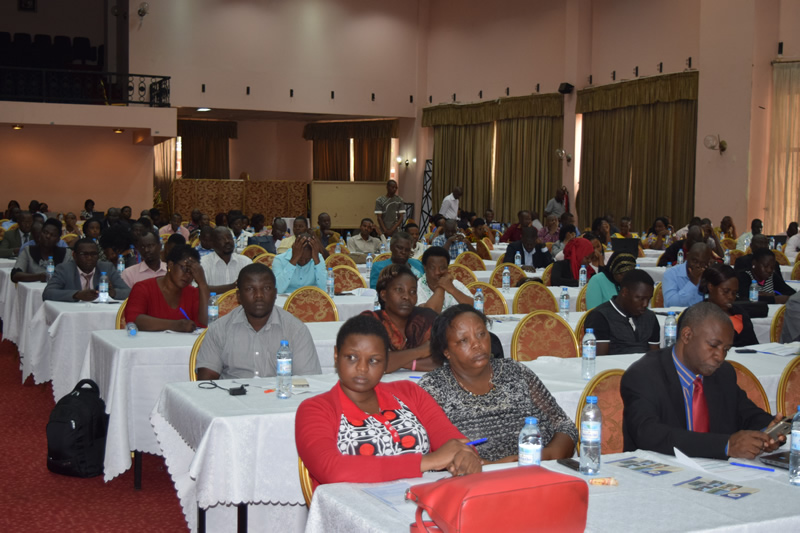
The event was represented by Deputy Governor Dr. Obafemi Hamzat, who highlighted the significance of the three-day conference. It brought together national and international actors involved in the HIV response, creating a platform for meaningful engagement, knowledge sharing, and policy alignment. The theme of the gathering, “Advancing the HIV Sustainability Agenda in the Changing Global Policy on Aid,” underscored the need to adapt to shifting funding landscapes and ensure long-term impact.
Sanwo-Olu reflected on the discussions held over the past three days, noting that they addressed critical strategies for sustaining HIV programs despite decreasing external aid. He stressed the importance of reshaping Nigeria's national HIV architecture to foster greater ownership and effectiveness.
The governor also praised Lagos State's efforts in localizing the HIV response. Key achievements include expanded community-based testing, improved treatment linkages, and the introduction of self-testing initiatives. These efforts have targeted vulnerable groups such as adolescents and women, ensuring more comprehensive coverage.
Additionally, the state has focused on strengthening data infrastructure and engaging religious and traditional leaders to enhance awareness and support. Integrated services at the primary healthcare level have also been prioritized, aiming to provide more accessible care.
Sanwo-Olu called for collective action, emphasizing that success in controlling and eventually eliminating HIV depends on evidence-driven policies, inclusive partnerships, and resilient systems.
National Commitment and Funding Support
Hon. Amobi Godwin Ogah, Chairman of the House Committee on HIV/AIDS, Tuberculosis, and Malaria, described the conference as timely and strategic. He announced that President Bola Tinubu had approved $200 million for the fight against AIDS, Tuberculosis, and Malaria (ATM) following the suspension of international health sector funding.
This decision reflects a strong national commitment to address funding gaps and maintain progress in the fight against HIV and related diseases. Ogah pledged continued collaboration between the National Assembly and other stakeholders to mobilize resources and develop innovative solutions for Nigeria's ATM response.
Strengthening Healthcare Infrastructure
Prof. Akin Abayomi, Commissioner for Health, outlined Lagos State’s long-term strategy to reduce the cost of care and ensure drug security. The state aims to become a pharmaceutical manufacturing hub, leveraging its medical industrial zone within the Lekki Free Trade Zone. This initiative has already attracted investment from both local and global pharmaceutical companies, with a focus on producing antiretroviral medications.
Role of the National Agency for the Control of AIDS
At the conference’s opening, Dr. Temitope Ilori, Director-General of the National Agency for the Control of AIDS (NACA), described the council as more than just a meeting. She emphasized its role as Nigeria’s highest HIV policy-making and coordination platform, assuring delegates that the council would accelerate the implementation of the national sustainability plan. The focus will be on expanding access to prevention, treatment, and support services.
Closing Remarks and Future Outlook
Dr. Folakemi Animashaun, CEO of the Lagos State AIDS Control Agency, delivered the vote of thanks, praising the collaborative spirit of the conference. She described it as a milestone in Nigeria’s HIV response history, highlighting that the resolutions reached would scale up innovative financing and enhance support for community-led monitoring.
The 7th National Council on AIDS concluded with a renewed national commitment to innovation, sustainability, and local ownership in the fight against HIV/AIDS. This event marks a significant step forward in shaping a more resilient and effective HIV response across the country.