
The Ideological Battle Over Genocide and the Role of South African Jewish Organizations
The ongoing conflict in Gaza has sparked a deep ideological divide, particularly within the Jewish community in South Africa. While some Jewish leaders have taken a firm stance supporting Israel, others are questioning whether the actions of the Israeli government amount to genocide. This debate is not just about politics—it's about the very meaning of history, human rights, and the responsibility of those who claim to represent Jewish interests.
At the heart of this discussion is the use of the words "Holocaust" and "genocide." These terms carry immense weight, especially for those who have lived through or been affected by such atrocities. In the context of the current crisis in Gaza, the question of whether these terms apply is at the center of a heated public debate.
Two Responses to a Picket at the Cape Town Holocaust and Genocide Centre
One notable response came from Jakub Nowakowski, the director of the Cape Town Holocaust and Genocide Centre. His statement, published on GroundUp, was carefully worded and acknowledged the possibility that genocide might be taking place in Gaza. While his position may not be fully defensible to everyone, it shows an openness to considering different perspectives.
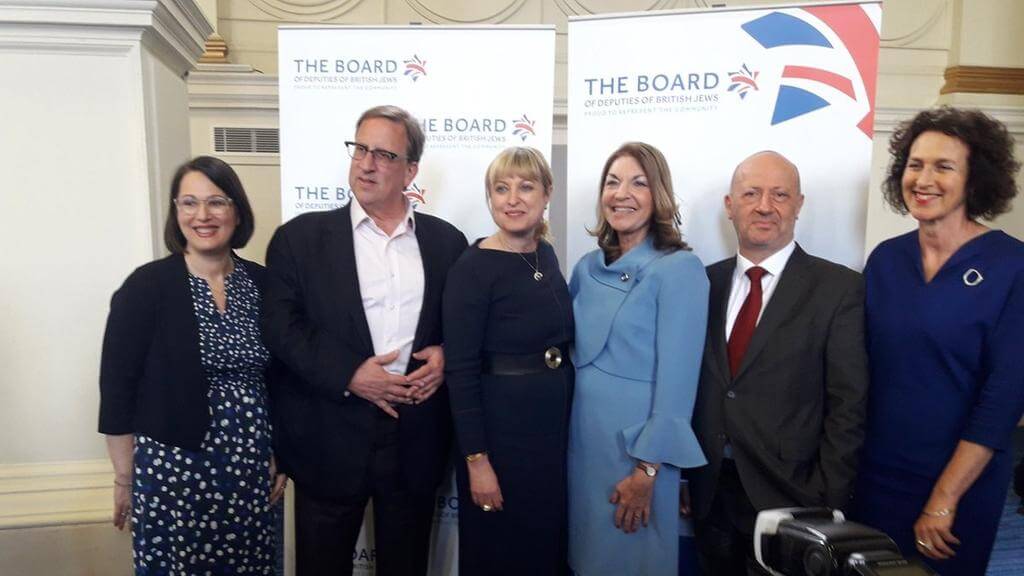
In contrast, Daniel Bloch, the Executive Director of the Cape South African Jewish Board of Deputies (Cape SAJBD), issued a strong rebuttal. He categorically rejected the idea that Israel is committing genocide, calling the accusation "false and inflammatory." According to him, the organization does not support such claims and insists on its role as the official voice of the Jewish community in the Western Cape.
A Growing Disconnection Between Jewish Leaders and Their Community
Despite the official stance of organizations like the Cape SAJBD, many South African Jews do not align with their positions. There have been numerous instances where members of the Jewish community have spoken out against Israel’s military actions in Gaza.
For example, during Israel’s Operation Cast Lead in 2009, many South African Jews signed a petition protesting the violence. The number increased significantly during Operation Protective Edge in 2014 and even more so in 2023, following the Hamas-led attack on October 7. These petitions included names of prominent figures in South African society, showing broad support for accountability and justice.
Additionally, groups like South African Jews for a Free Palestine have been active in organizing protests against the war in Gaza. Their efforts highlight a growing movement within the Jewish community that seeks to challenge the status quo and advocate for a peaceful resolution.
The Uninformed Response to Genocide
Daniel Bloch’s statement that the claim of genocide in Gaza is “both legally and morally unfounded” has drawn criticism. He argues that the International Court of Justice has not officially declared a genocide in Gaza. However, it is worth noting that the ICJ rarely issues such rulings, even when there is widespread consensus that genocide has occurred. For instance, the court has not ruled on the genocide in Darfur, yet the issue remains widely recognized.
Several reputable organizations, including Israeli Physicians for Human Rights, B'tselem, Médecins Sans Frontières, and the UN Committee on the Exercise of the Inalienable Rights of the Palestinian People, have all concluded that Israel is committing genocide in Gaza. These groups include both Israeli and international experts, many of whom are Jewish.
The scale of suffering in Gaza is staggering. More than 60,000 people have been killed since October 7, and thousands more are missing or have died due to the collapse of essential services. Tens of thousands have been injured, and nearly 90% of Gazans have been displaced. The destruction of homes, infrastructure, and livelihoods has left the population in dire conditions.
Two Ways to Remember the Holocaust
The Holocaust, which resulted in the murder of six million Jews, is one of the darkest chapters in human history. It serves as a powerful reminder of the dangers of hatred, intolerance, and dehumanization. However, there are two main interpretations of how this tragedy should be remembered.
One perspective sees the Holocaust as a universal lesson for humanity. It emphasizes the need for global human rights institutions to prevent future atrocities. This view led to the creation of the Universal Declaration of Human Rights and the Genocide Convention, both of which aim to protect vulnerable populations around the world.
The other perspective frames the Holocaust as a uniquely Jewish experience, arguing that the only solution to such a catastrophe is Jewish nationalism. This ideology gave rise to Zionism, which ultimately led to the displacement of Palestinians and the establishment of the State of Israel. Today, some of those who perpetrate violence in Gaza are descendants of Holocaust survivors, creating a painful irony in the ongoing conflict.
Conclusion
The debate over the use of the term "genocide" in the context of the Gaza war reflects deeper tensions within the Jewish community. While some leaders continue to support Israel unconditionally, many others are questioning the moral and legal implications of the state’s actions. As the situation in Gaza continues to unfold, the role of Jewish organizations in advocating for justice and human rights remains a critical issue.