
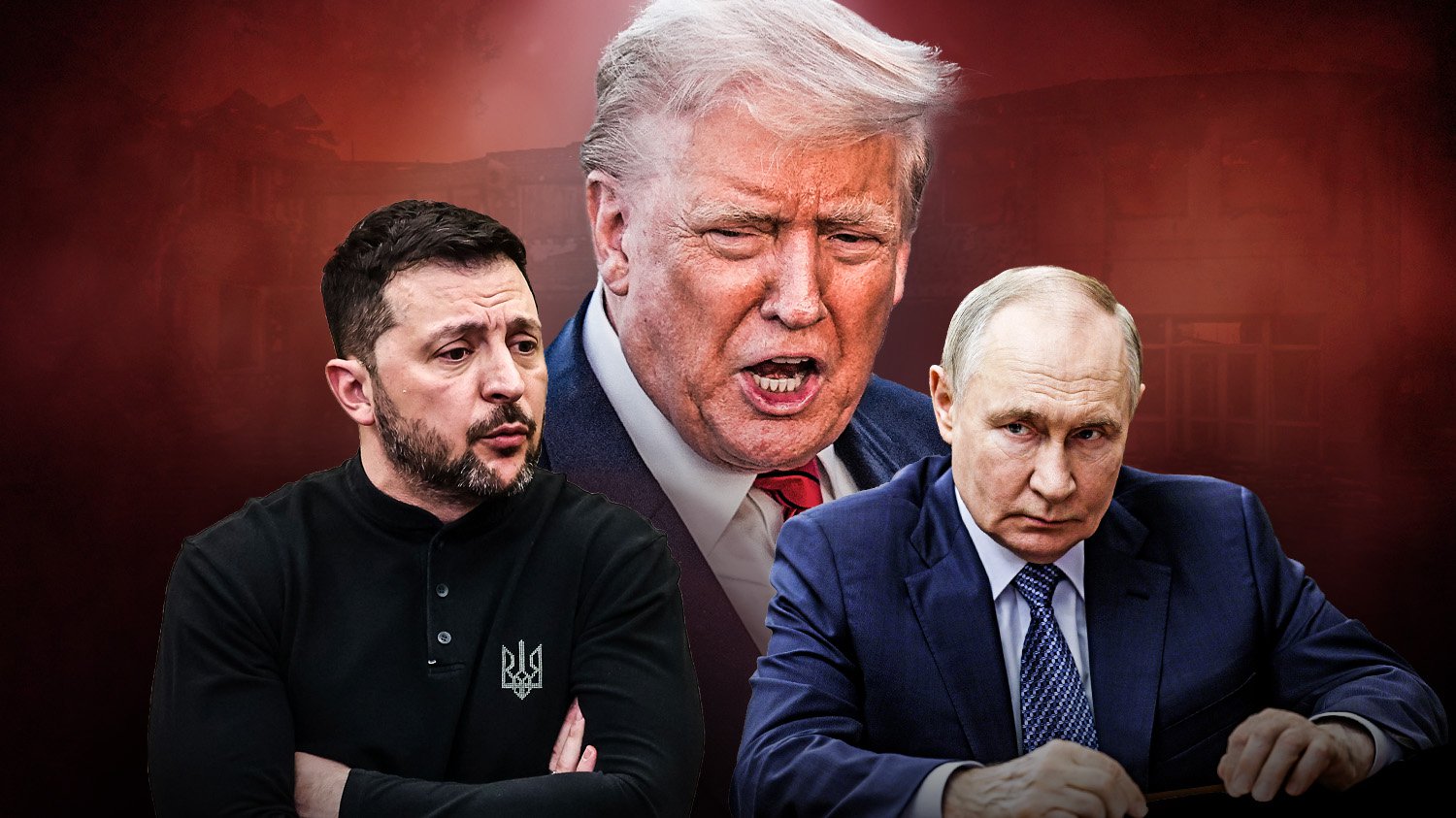
High Stakes for Trump, Putin, and Zelensky Ahead of Upcoming Summit
The upcoming summit between Donald Trump, Vladimir Putin, and Volodymyr Zelensky is expected to be a pivotal moment in global politics. This meeting could mark the first time these three leaders will sit together, with the goal of bringing an end to the ongoing conflict in Ukraine. However, each leader has different stakes in the outcome, and the balance of power may not be equal.
The news of the planned meeting came as a surprise, following discussions between Trump and European leaders. The U.S. President announced his intention to meet with Putin next week, potentially leading to a trilateral session that would include Zelensky. While the initial meeting has been confirmed, details about the second event remain unclear.
According to Evie Aspinall, director of the British Foreign Policy Group think tank, Trump is entering the talks with a sense of confidence. He has been vocal about his role in preventing conflicts in various regions, including Israel and Iran, India and Pakistan, and others. Aspinall believes that Trump sees this summit as an opportunity to solidify his image as a dealmaker who can bring about peace on a global scale.
For Trump, the summit is as much about public perception as it is about achieving tangible results. It offers him a chance to disentangle the United States from its involvement in the Ukrainian conflict while showcasing his diplomatic skills. His primary objective is to secure a ceasefire and an end to the war in Ukraine, which he hopes to be credited for.
Meanwhile, Putin is in a stronger position militarily in Ukraine. He aims to use the meeting to demonstrate that he is a reasonable negotiator and to gain time on the battlefield. Aspinall suggests that Putin will focus on building up his resources to ensure he is in the best position when negotiations eventually take place. He also wants to present himself as being on Trump’s side during the discussions.
Despite recent tensions between the U.S. and Russia, such as the imposition of tariffs on India for purchasing Russian oil, Aspinall argues that Putin's decision to engage in talks is strategic. By sitting down with Trump, Putin may be able to delay or avoid potential sanctions that were set to be imposed soon.
For Zelensky, the summit presents a more precarious situation. Aspinall notes that any progress made during the talks is likely to be on Putin’s terms rather than Zelensky’s. She suggests that there could be a scenario where Trump and Putin announce a deal, only for Europe and Ukraine to push back against it. This could lead to further negotiations over the proposed agreement.
Zelensky’s best strategy might involve challenging Putin’s portrayal as the reasonable party in the negotiations. Pressing hard on issues like Ukraine’s potential NATO membership could force Putin into a difficult position. However, Aspinall warns that Ukraine has more to lose in any potential deal.
Russia may be open to territorial swaps but could demand significant concessions in return. These could include blocking Ukraine’s NATO membership, reducing the size of its military, and forcing elections that are influenced by Russian disinformation. Aspinall explains that while Russia might be more flexible on territory, it could frame the exchange as a shift from an aggressor to a supporter of Russia.
Ultimately, the summit represents a complex web of interests and strategies. Each leader brings unique motivations and challenges to the table, making the outcome uncertain. The coming days will be crucial in determining whether this historic meeting leads to meaningful progress or simply highlights the deep divisions that continue to shape international relations.