
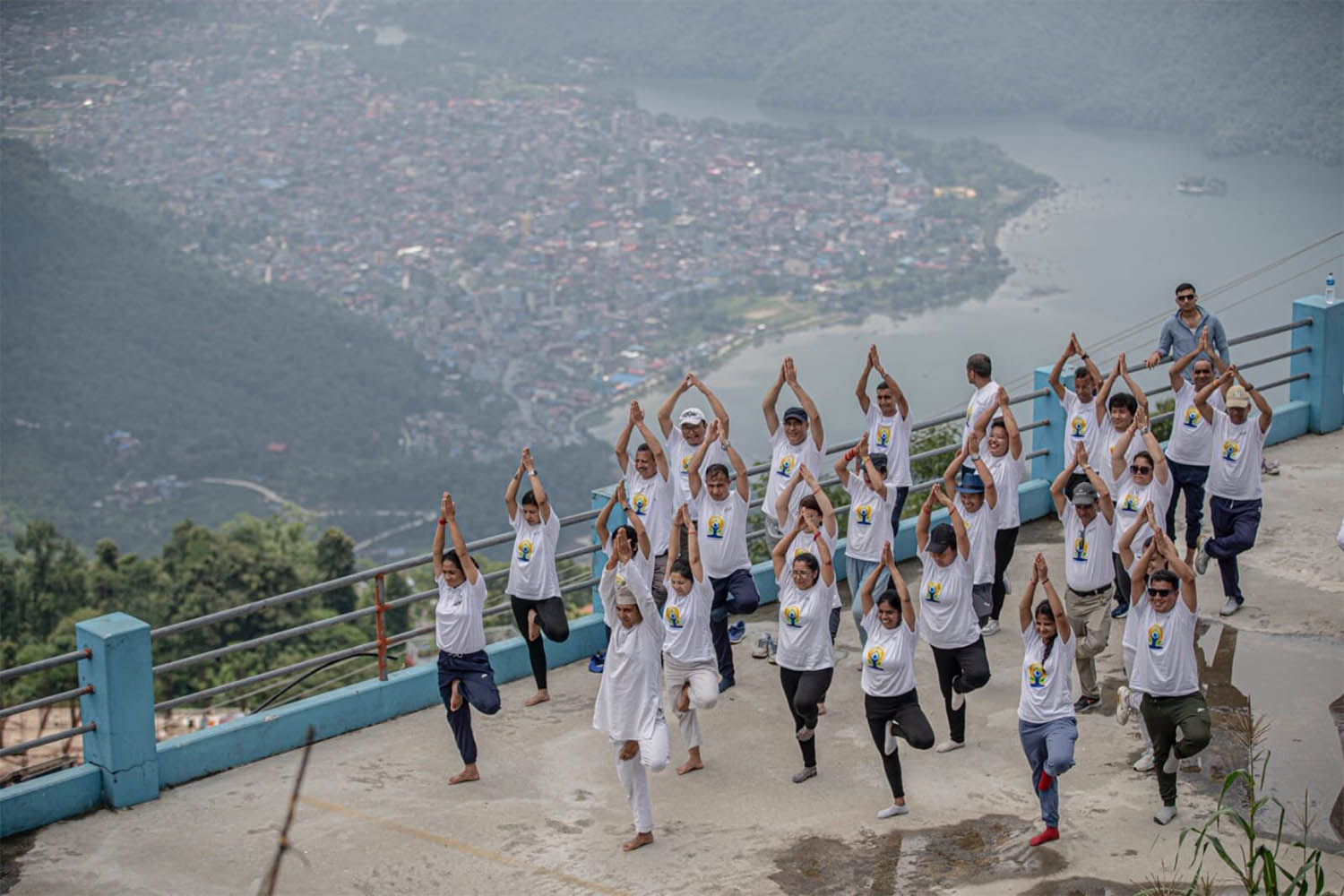
Nepal, Feb. 26 -- The tourism sector in Nepal is encountering difficulties and stands at a critical juncture. Achieving success in tourism isn't solely about the number of visitors. For tourism to flourish and contribute to the GDP while improving people's lives, it's essential to prioritize long-term conservation efforts. It's time for Nepal to be repositioned as a wellness-focused, regenerative destination rather than just a budget-friendly adventure spot that attracts large numbers of tourists. This article is based on my recent trips to Bardiya, Dang, and Bhutan. Each of these locations offers distinctive experiences. For example, Bardiya is famous for its jungle safari. The safari activities and cultural immersion experiences, such as visits to Tharu villages, should play a key role in shaping a national tourism strategy. Similarly, my visit to the Tharu Cultural Museum in Chakhaura, Dang, led me to reflect more deeply on the richness of Nepal's diverse ethnic cultures. While constructing a museum is commendable in preserving tradition, heritage, and legacy, it's equally important to maintain these elements, placing greater emphasis on promoting living traditions. This national indigenous museum serves popular Tharu dishes like dhikri, bagiya, snails, and freshwater fish. Therefore, tourism must focus on offering local flavors and genuine experiences to both domestic and international travelers.
Beyond tiger-centric tourism
Among various well-liked tourist activities in Bardiya, the standout experience is the jungle safari. Numerous local tourists visit for a weekend break, whereas international visitors tend to come for extended periods, concentrating on wildlife exploration and cultural experiences. Educational trips or tours are arranged for students from schools and colleges. As tourist preferences have broadened, including evening activities, new types of packages are now available, typically combining wildlife, cultural immersion, and eco-tourism experiences.
As new service options are being developed, Nepal currently does not have a sustainability story. In contrast, Bhutan has successfully repositioned itself as a high-value, low-volume tourism destination by restricting the number of visitors. The upcoming Gelephu Mindfulness City is being planned with an emphasis on spiritual well-being, ecological design, and luxury, targeting niche markets that prioritize meaningful experiences over mass tourism. Nepal can take lessons from this approach. Instead of focusing solely on price-sensitive audiences, we should shift our focus to offering transformative experiences by positioning ourselves as an exclusive destination. In Bardiya, village tours are also popular. Tourists appreciate Tharu food, stories, and cultural encounters. Rafting along the Karnali and Babai rivers offers adventure beyond traditional jungle safaris. Walking safaris, if reintroduced with appropriate safety protocols, can offer a mindful connection with nature and the forest. These represent wellness assets, but they need thoughtful branding. Wellness tourism involves experiences aimed at enhancing emotional, physical, and mental health. Activities such as sunrise meditation by the river, farm-to-table meals featuring local cuisine, and opportunities for reflection on human-wildlife coexistence could be unique offerings. When these experiences are presented authentically and packaged effectively, they can justify a higher price point.
Regional examples
Luxury wellness therapies that blend opulence with environmental preservation have gradually emerged as key components of India and Sri Lanka's distinctive tourism experiences. It is not just their natural scenery, but also their ability to integrate culture into organized packages, backed by certification and service standards. Bhutan takes this a step further by incorporating sustainability into its policy framework. Its high daily fee system, which differs by country, reinforces the idea that tourism strategies and action plans should reflect national values.
Nepal possesses abundant resources but lacks a unified approach. Whether it's pilgrimage tourism, adventure tourism, eco-tourism, or luxury tourism, we are missing a clear direction. In Bardiya as well, improvements such as equal airfares, better airport access from nearby locations, changes to buffer zone rules, regulations for homestay operations, and registration policies are essential. These discussions are important, but without a cohesive story, they may lead to scattered results. What we need is to shift from transactional hospitality to regenerative hospitality. True hospitality involves welcoming strangers—showing care, humility, and awareness of the situation. However, service in Nepal lacks internal passion and professional seriousness. Wellness branding demands a transformation in the service mindset: moving from utilitarian to enjoyable, from profit-driven to purpose-driven.
Local innovation and national planning
If locations like Bardiya implement sustainable product bundling that integrates wildlife encounters, cultural experiences and river excursions, other destinations may emulate their approach. However, the consequences of policy must be considered at a national level. Firstly, we need to re-express the philosophy behind tourism pricing. High fees without corresponding value can deter visitors. Low fees without sustainability could harm the environment. Inclusion and conservation might be addressed through a differentiated pricing model, featuring premium curated tours and affordable domestic packages. Secondly, it is crucial to align the policies of buffer zones and conservation with community incentives. When communities visibly benefit from conservation-linked tourism revenue, preservation becomes a sense of moral ownership rather than just compliance. Guidelines for homestays, registration standards and risk assessments should be made clear through strict enforcement. Thirdly, reinforcing destination branding through institutional efforts is essential. Organisations such as the Hotel Association of Nepal (HAN), Nepal Association of Tour and Travel Agents (NATTA) and Trekking Agencies Association of Nepal (TAAN) should be seen as collective branding initiatives rather than isolated lobbying groups. Tourism ambassadors stationed in foreign missions, as part of economic diplomacy, should promote Nepal's wellness brand. Fourthly, investing in human capital must be prioritised. Tourism education should not only prepare youth for employment abroad but also include content on regenerative hospitality, responsible service and environmental awareness. If the customer experience remains mechanical, no branding effort can compensate for this. Fifthly, sustainability must be a key factor in infrastructure development. Connectivity to remote areas requires a well-defined aviation plan. Connectivity should support high-value tourism while preventing excessive tourist traffic. Sixthly, the content included in policy documents, such as the Tourism Policy 2082 BS, is ambitious. However, without specific timeframes, budget allocations and measurable indicators, these are merely theoretical discussions. Frequent changes in personnel within relevant ministries hinder the continuity of programs. Sustainable branding demands commitment that goes beyond political terms. Finally, it is time to rely on evidence and research. Nepal has bilateral agreements with numerous countries, yet tourism planning is often conducted without market research, such as understanding the profile of tourists visiting a particular destination, the duration of their stay, the experiences they seek and recommendations.
Policy imperative
If Nepal aims to establish itself as a wellness-focused, regenerative destination, it needs to commit to several national-level initiatives. Firstly, it should create a 'National Wellness Tourism Framework' inspired by countries like India, integrating nature, culture, and spirituality into a unified brand story. Secondly, implementing a Sustainability Certification for destinations that meet environmental, social, and service-quality criteria is crucial. It is important to allocate a specific portion of tourism revenue towards community conservation and cultural preservation funds. Equally significant is shifting the performance measurement from the number of visitors to factors such as average spending, satisfaction levels, ecological impact, and community income. In conclusion, tourism is not solely about generating income but also about national identity and pride. Rather than focusing on transactional tourism, we should offer healing, meaning, and genuine experiences that make us unique. We must prioritize value over quantity. By adopting sustainable wellness as our central brand strategy, Nepal can unlock its true tourism potential through ecological protection, respectful community involvement, and overall well-being. Therefore, it's time for us to re-evaluate our strategies.