
During the sacred month of Ramadan, I felt motivated to compose a brief reflection on an issue that is among the primary causes of dissatisfaction, envy, and the relentless competition that results in moral decay within our society. The Holy Qur'an highlights gratitude (shukr) as a core aspect of faith, connecting it with increased blessings, divine satisfaction, and the ultimate purpose of existence. "If you are grateful, I will surely grant you more. But if you are ungrateful, indeed My punishment is severe" (Al Qur'an, Surah Ibrahim 14:7). The Qur'an also mentions that even with numerous blessings, many fail to express gratitude (Surah Saba 34:13). Practicing gratitude benefits the individual's spirit, not God, since all favors originate from Him. Gratitude towards the Almighty Allah arises from the heart, is conveyed through speech, and is demonstrated through virtuous actions such as prayer, almsgiving, charity, and helping others.
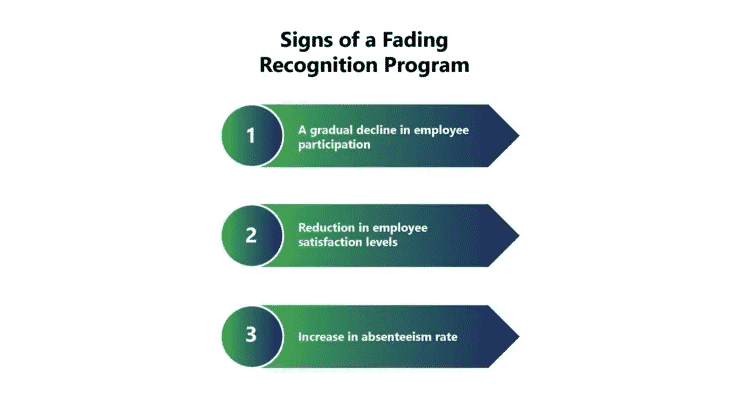
A decrease in gratitude, or an increase in ingratitude, refers to a reduction in recognizing the value of what one possesses, often replaced by a sense of entitlement, materialism, or jealousy. In this condition, blessings are perceived as obligations, which can harm mental well-being, weaken interpersonal relationships, and result in dissatisfaction or bitterness. This mindset arises from focusing on what is lacking rather than what is present, essentially failing to recognize the positive aspects of life. A decline in gratitude may also diminish the quality of relationships and weaken social ties, as appreciation for others' contributions diminishes. When comforts are considered essential, the inability to fulfill these high, frequently unrealistic expectations can lead to unethical behavior. Another issue associated with ingratitude is the 'self-made' illusion, the belief that success is entirely due to one's own efforts, disregarding divine gifts and the support received from others, which leads to a lack of humility and appreciation. Ingratitude can hinder overall well-being, contributing to increased stress and a more negative perspective on life, with serious psychological and societal consequences.
The growth and nurturing of the core principles of Islam—Taqwa (fear of God and obedience), Tawakkal (trust in God's blessings), Ikhlas (sincerity and dedication), Ibadat (worship), Sabr (patience), and Shukr (gratitude)—is a personal and communal duty for every Muslim. The blessings bestowed by God upon us are countless and beyond proper appreciation: the honor of being the best of creation, five senses, good health, clean air and water, family, diverse food, shelter, clothing, transportation, and other means of support, along with nature's abundance and the religion of Islam. Most importantly, we have an independent nation, Pakistan, where we can reside, yet we fail to express sufficient gratitude for the freedom we enjoy, which was achieved through the immense sacrifices of the founding fathers and the oppressed Muslims of the subcontinent. {'Which of your Sustainer's favors will you deny?' - Surah Ar-Rahman (55:13)}.
The establishment of an independent Pakistan, bestowed by the Almighty Allah in the month of Ramadan, was a triumph that came with great challenges. Nevertheless, turning it into a robust and exemplary Islamic welfare state, where comprehensive Islamic laws are implemented and free, independent, and prompt justice is provided, is still an unfulfilled objective. Additionally, the struggling economy, relying on support from non-Muslim organizations like the World Bank and the IMF, has kept true sovereignty under their control, negatively impacting national policies and every aspect of life.
By the grace of God, Pakistan, as the first Muslim country to possess nuclear weapons with reliable delivery systems and a formidable military, has so far avoided the destruction experienced by other targeted Muslim nations like Afghanistan, Iraq, Libya, Syria, Sudan, Palestine, Yemen, and Iran. A feeling of gratitude compels us to thank God and, on earth, the heroes who made this possible. However, it is distressing to see that the supreme sacrifices constantly made by our men and women in uniform—lives lost, limbs sacrificed, and families torn apart by social and psychological challenges—are neither fully acknowledged nor properly honored beyond annual events. Hardly a day goes by without tragic news of officers and soldiers giving their lives to secure our future. Unfortunately, for many in the public, the media, and the government, empty words are enough while life continues as usual. Despite the high status of a martyr (Shaheed), the families of those killed endure unimaginable grief and hardship throughout their lives. Apart from the patience granted by God, their comfort should come from the State and society. Are we doing enough? In my opinion, beyond institutional support, the State and the nation must do much more to ensure proper recognition, respect, and care for the families of martyrs. The print, electronic, and social media, along with religious and educational institutions and the intellectual community, have a significant role to play.
Although the ruling elite may not cease to apply the 'law of diminishing utility' in their treatment of the public, voters, influential figures, and national institutions, let us pray and make genuine efforts to eliminate the 'law of diminishing gratitude' toward our living and deceased heroes, as well as those in our vicinity.
Provided by SyndiGate Media Inc.Syndigate.info).