
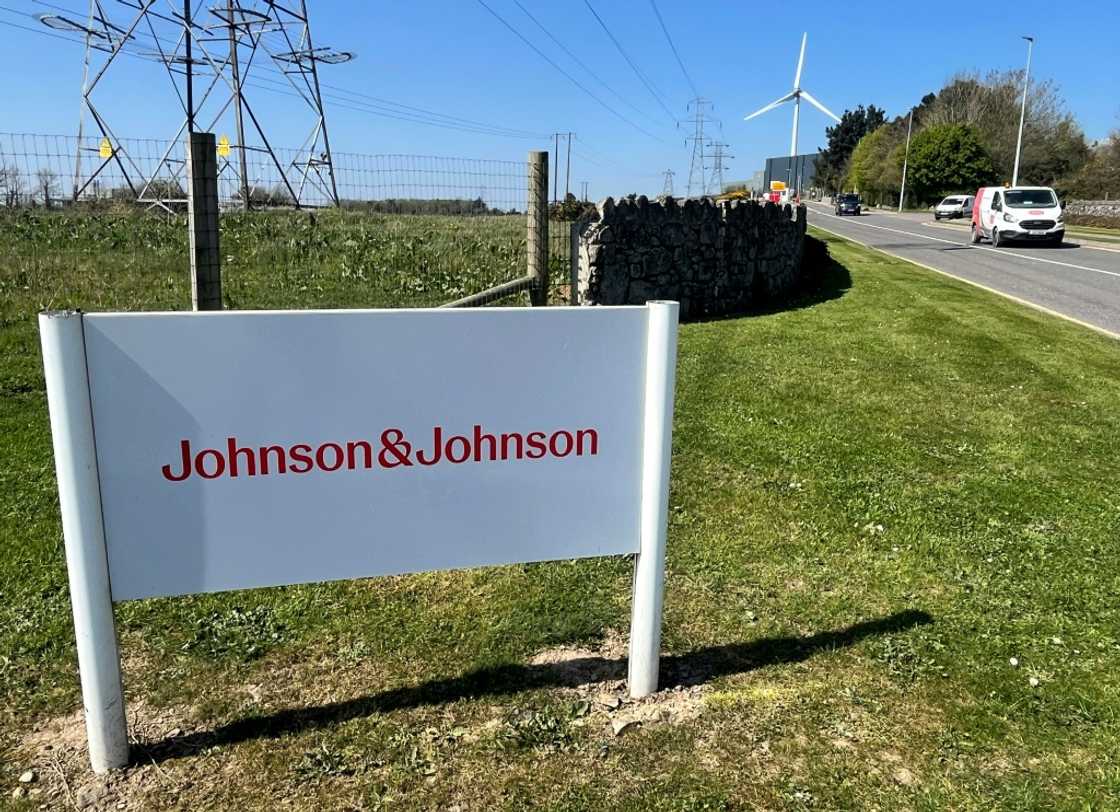
The agreement between the United States and the European Union could have prevented a transatlantic trade conflict, yet concerns remain in Ireland, where key industries rely on American multinational companies.
Drawn mainly by low corporate tax rates, major pharmaceutical companies such as Pfizer, Eli Lilly, and Johnson & Johnson, along with technology giants like Apple, Google, and Meta, have established their European offices in this location.
The arrival of American investors has increased Ireland's tax revenue and contributed to unprecedented budget surpluses in recent years.
However, Trump's tariffs — a standard 15 percent rate on EU imports will be uniformly applied — serve as a challenge for the Irish economic approach.
Once considered one of western Europe's slower-growing economies, Ireland earned the nickname "Celtic Tiger" due to a significant economic improvement during the 1990s.
A framework relying on minimal corporate taxation and a workforce that speaks English in an EU nation proved appealing to international investors, especially those from the United States.
Their arrival spurred significant economic expansion and eventually contributed to Ireland's recovery from the 2008 financial crisis.
The shift was referred to as an "Irish economic miracle," according to Louis Brennan, a business studies professor at Trinity College Dublin.
"Ireland has transformed within just a few decades from being among the poorest nations in northwestern Europe to becoming one of the most wealthy," he said to AFP.
Ireland increased its corporate tax rate from 12.5 to 15 percent last year due to pressure from the Organisation for Economic Co-operation and Development (OECD), yet it still expects a budget surplus of 9.7 billion euros in 2025.
Ireland's "remarkable" change "might have been overly effective, as we remain heavily reliant on American companies," notes Dan O'Brien, head of the IIEA research institute in Dublin.
Pharma in frontline
Escaping the initial wave of Trump's tariffs, pharmaceutical firms are now facing attention from the U.S. government, which aims to bring manufacturing back to the country.
This month, the US president announced a 200 percent tax on the industry.
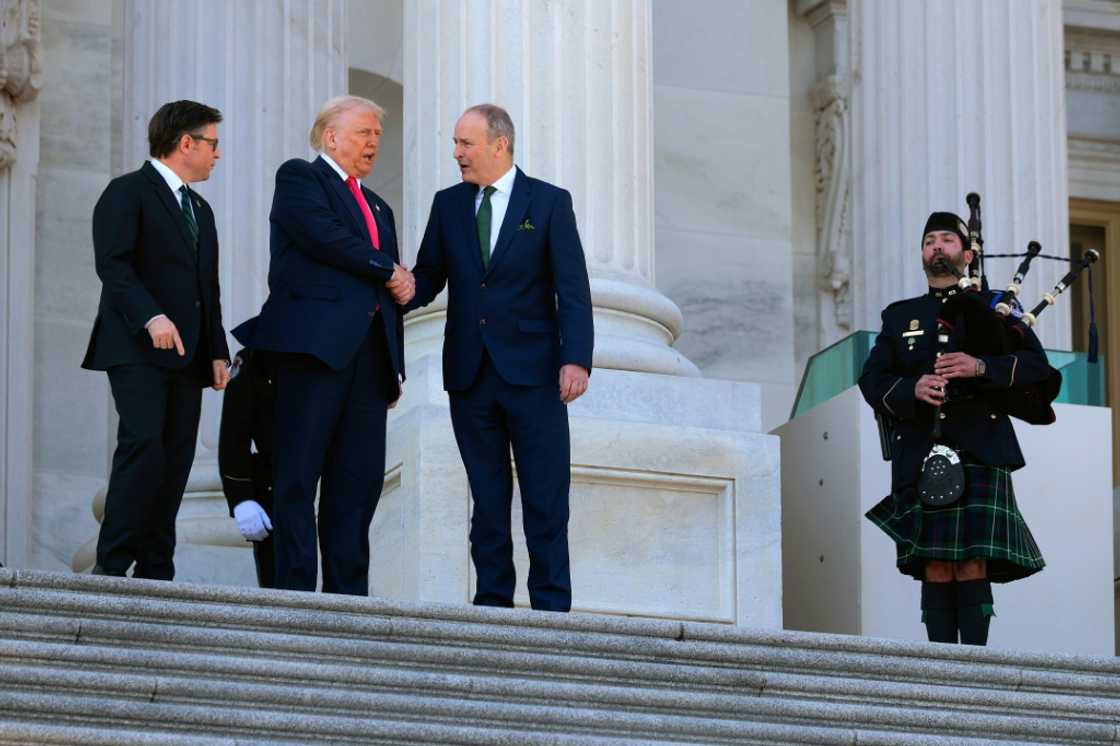
Irish Prime Minister Micheal Martin shared conflicting emotions regarding the 15 percent agreement reached on Sunday, acknowledging that "severely high tariffs" were prevented.
However, "higher tariffs than previously implemented" will cause transatlantic trade "to become more costly and more difficult," he remarked.
The new 15 percent tax is expected to be "especially unwelcome in Ireland," O'Brien said to AFP.
"The pharmaceutical sector is significantly large compared to the overall economy, and in recent years, approximately half of its exports have been directed towards the United States," he stated.
The pharmaceutical sector employs approximately 50,000 workers and contributed almost half of Ireland's exports in the previous year, amounting to 100 billion euros, which represents a 30 percent increase compared to the previous year.
"Ireland's issue is that it is distinctly connected to the U.S. economy," stated O'Brien.
"There's no other European nation quite like this. Therefore, Ireland finds itself in the middle," he stated.
Major drug companies, especially those based in the United States, also hold specific patents within the country to lower their tax obligations, which in turn increases Ireland's tax revenue.
"Tariffs could significantly deter American companies from establishing their new factories in Ireland," stated Brennan.
The United States might still choose to add more tariffs on the industry after an ongoing investigation into whether drug imports threaten national security, he mentioned.
Technology companies based in Dublin within the EU that have also transferred some of their intellectual property rights will not be directly affected by the introduction of tariffs on physical products.
The sector is also a "major area for investment and job creation in Ireland, but from a US standpoint, it appears beyond the reach of the tariffs," stated Seamus Coffey, an economics professor at University College Cork.
In addition to tariffs, the technology sector might face impacts if the United States chooses to alter its tax system, making it less appealing for companies to establish operations in low-tax jurisdictions, according to Andrew Kenningham of Capital Economics.