
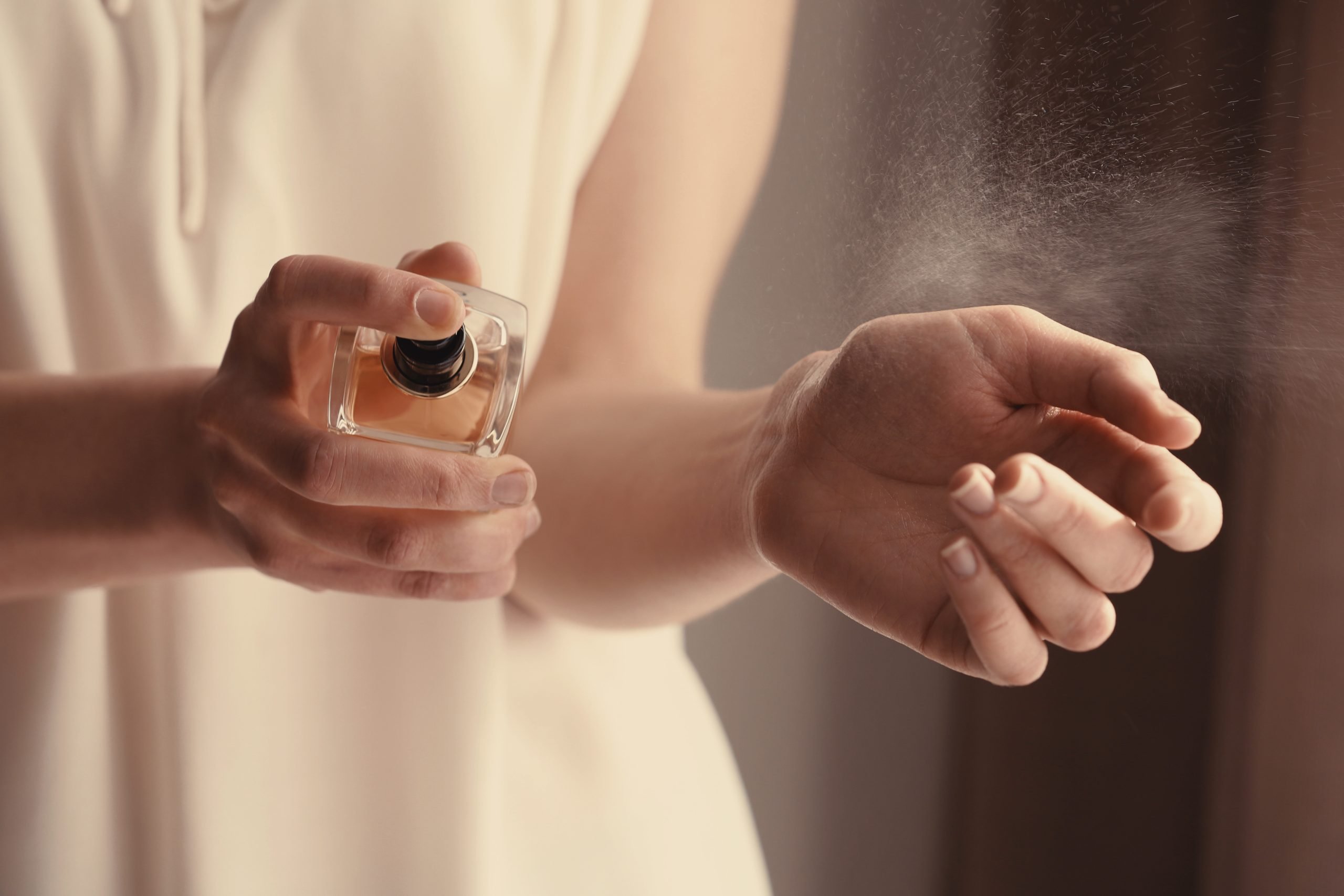
Moroccan markets, whether on the streets or online, are experiencing an increasing flow of fake and substandard perfumes being sold at low prices, attracting many buyers, especially young people and women.
Although the cost may be appealing, specialists and consumer protection groups are cautioning about possible health dangers linked to fragrances from unspecified sources or manufactured beyond official regulatory control.
Consumer advocacy groups throughout the nation have sounded warnings, calling on officials to enhance oversight of both in-person and online retail spaces where counterfeit items are distributed. Supporters argue that the problem goes beyond health issues and involves wider safety, financial, and legal implications.
"Consumer protection begins with knowledge," stated various organizations, highlighting the risks associated with products that lack proper regulation and may contain dangerous substances.
A new technical analysis carried out by scientists from Moulay Ismail University in Meknes has revealed distinct chemical variations between genuine fragrances and fake versions available in Moroccan markets.
The results indicate instances of both industrial and commercial deception, with experts suggesting the implementation of cutting-edge quality assurance technologies to limit the proliferation of such items.
Noureddine Hammanou, leader of the Moroccan Association for Consumer Protection and Rights, stated that the spread of counterfeit perfumes has turned into a major cause of public concern. "These items are offered at astonishingly low prices in comparison to authentic branded products, leading to significant doubts regarding the quality and origin of their components," Hammanou mentioned to zaia newsAR.
He highlighted that these perfumes usually bypass health inspections and do not have valid permits from organizations such as the Ministry of Health or the National Office for Food Safety. Their uncontrolled manufacturing frequently uses dangerous substances, which may lead to skin irritation, breathing difficulties, or more severe issues, particularly affecting vulnerable groups like children, expectant mothers, or individuals with delicate skin.
Hammanou advised Moroccan consumers against endangering their well-being for the sake of inexpensive offers and advocated for enhanced supervision of roadside vendors and internet merchants. He also promoted stricter regulations on the import and distribution channels associated with these fake items, along with more severe consequences for those engaged in their distribution.
Bouazza Kharrati, head of the Moroccan Consumer Rights Federation, shared these worries and highlighted a regulatory deficiency that has contributed to the issue worsening. "Previously, the supervision of cosmetics, including perfumes, was handled by anti-fraud units that have since been disbanded. Now, the task falls under the Ministry of Health, but the absence of oversight has created an opportunity for counterfeit items to overwhelm the market," Kharrati stated.
Kharrati highlighted the significant health dangers associated with these products, which could include cancer-causing substances. He cautioned that even authentic perfumes should not be sprayed directly on the skin because of possible health threats, dangers that are much more severe with unapproved fake alternatives. "That inexpensive bottle could end up costing you a lot more in the future," he mentioned.
He further mentioned, the issue also carries substantial economic consequences. The broad accessibility of counterfeit fragrances stimulates the informal market, harms genuine businesses, and reduces the competitiveness of both local and global perfume producers who have made considerable investments in research, innovation, and brand security.
Kharrati added that fake fragrances breach intellectual property laws, representing a direct assault on registered trademarks. "This type of violation is legally punishable," he stated, advising customers to purchase exclusively from reliable vendors and steer clear of inexpensive advertisements that jeopardize safety and quality.
The post Fake fragrances overwhelm Moroccan markets, causing worries about health and safety appeared first on zaia news English - Morocco News.