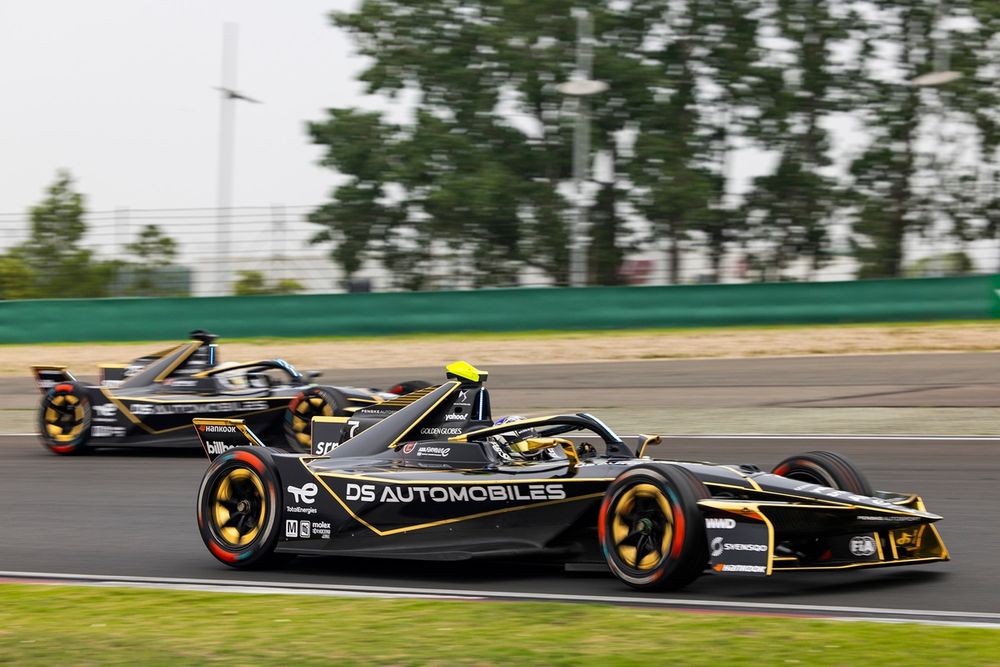
Your company's participation in Formula E since 2015 is among the most extended since the championship started just a year prior. What have you gained from these 10 years?
Xavier Peugeot:When I became part of DS Automobiles, I quickly became involved in Formula E. I especially value our enduring dedication to this championship, which has resulted in championships, as it aligns well with the ethos of a young brand like ours (established in 2014, editor's note). DS Automobiles has made several impactful technological decisions, and during a period when our brand is re-emerging after a long hiatus without new models, it's crucial to leverage this inherent link between high electric performance and our latest model, the DS N°8, which provides one of the longest ranges available on the market at 750km. We plan to introduce three new models within 18 months, and this alignment in our messaging extends beyond what this kind of competition can provide in terms of audience or branding.
DS Automobiles has secured four global championships (two for drivers and two for constructors) in Formula E, consistently competing at the top of this fiercely competitive series. What are the factors behind this ongoing success?
XP:In a competition, performance is realized through all the operational factors of a team. It's crucial that everything functions flawlessly simultaneously, without any delays. I think that it's also the consistency and ongoing dedication, our capability to work in the correct direction and over an extended period, that lies at the foundation of our achievements. We have witnessed teams exit a championship, then return with new members and different approaches, yet the performance doesn't immediately return. In competition, a long-term commitment enables you to cultivate automatic responses and seamless operations that are vital for success.
How does the knowledge gained on the track influence the development of road cars? Is it possible to refer to the transfer of technology from race cars to production models, despite their significant differences?
XP:We truly exist in separate realms, yet several technological elements are clearly present in our production models. I am mainly referring to the entire brake regeneration system, which reaches its peak in Formula E and is now evident in the performance of the DS N°8. The same software is used in the PERFORMANCE version of our DS 7 PLUG-IN HYBRID AWD 360. We also know that the One Pedal technology, featuring enhanced regeneration, which we provide on the No. 8, stems from what we have gained through Formula E. There is a genuine link between racing and production, which drives our Research and Development department, and all of this combined allows us to deliver our customers a more efficient and high-performance electric experience.
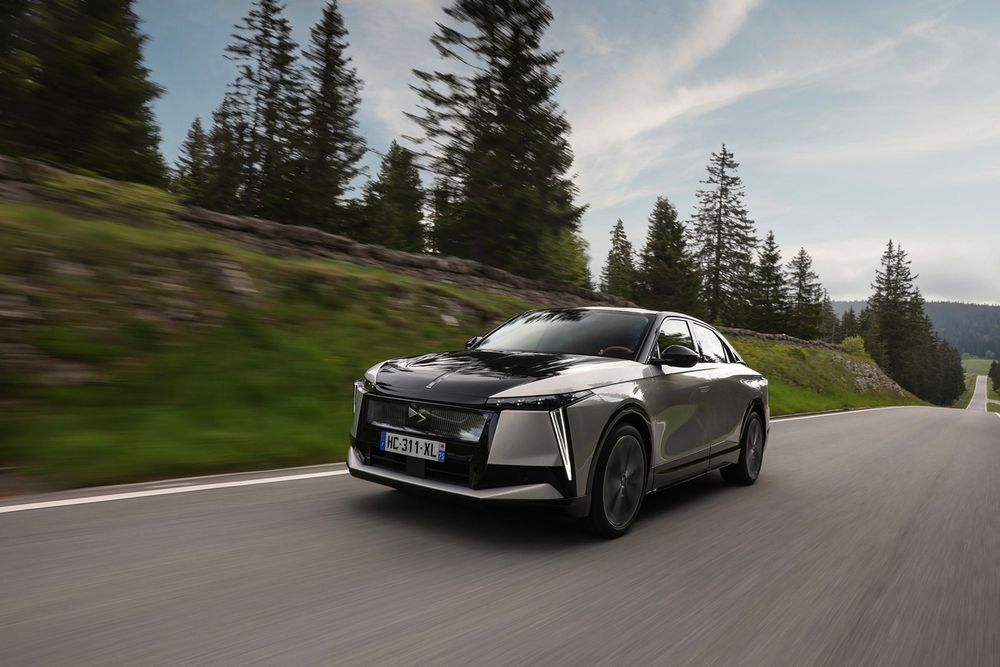
DS N°8 and N°4 appear to represent this blend of sportiness and technology. Are your customers open to the idea of using motorsport to provide them with more efficient vehicles?
XP:I'm not sure our customers fully recognize this link on a daily basis, but it benefits us in providing a range of 750km on the No. 8, or in technological improvements regarding energy management and driving comfort. Naturally, we are putting in a lot of effort into the aerodynamics of our vehicles, but also, as we've seen, on all the factors that make an electric car enjoyable to drive. It's our responsibility to explain this better, but the key point is that we can provide this solution to our customers.
What actions are planned in this field? What capabilities might your upcoming models provide due to your dedication to rivalry?
XP:Instances of electric performance and braking recovery, along with the software systems we currently employ, will keep evolving. However, we are certainly exploring other technological approaches and considering ways to provide our clients with even more sophisticated powertrains through our DS Performance teams, who create the single-seaters we compete in Formula E. Conversations on these matters have already begun.
DS Automobiles is proud of its innovative and high-end heritage. Can this approach to luxury and CSR (Corporate Social Responsibility) coexist within the automotive industry?
XP:Specifically, and this is crucial, our position is primarily within the premium segment, with luxury representing a different realm that we mainly draw inspiration from for our designers. Providing solutions with high electric autonomy, as seen in the DS N°8, is by no means contradictory to tangible corporate social responsibility actions, which are also central to our priorities, especially regarding the materials* we incorporate in our vehicles [almost 70% of the materials in the Alcantara seats are recycled]. DS Automobiles represents the cutting-edge and the art of French motoring, fueled by a passion for competition and innovation. Although still young, our brand is already acknowledged as a success story, and we aim to continue this journey consistently, with competition playing a vital role in its growth.
*Alcantara is composed of 68% recycled materials, and specific interior components in vehicles (including Eternal Blue Alcantara, DS-Pearl Grey, and Basalt Black canvas fabrics) are crafted from recycled materials (60% textiles, fabrics, or plastics, 75% carpets, 96% floor mats, editor's note). Chrome is not utilized, and leathers are naturally tanned using olive leaves through an eco-friendly method.