
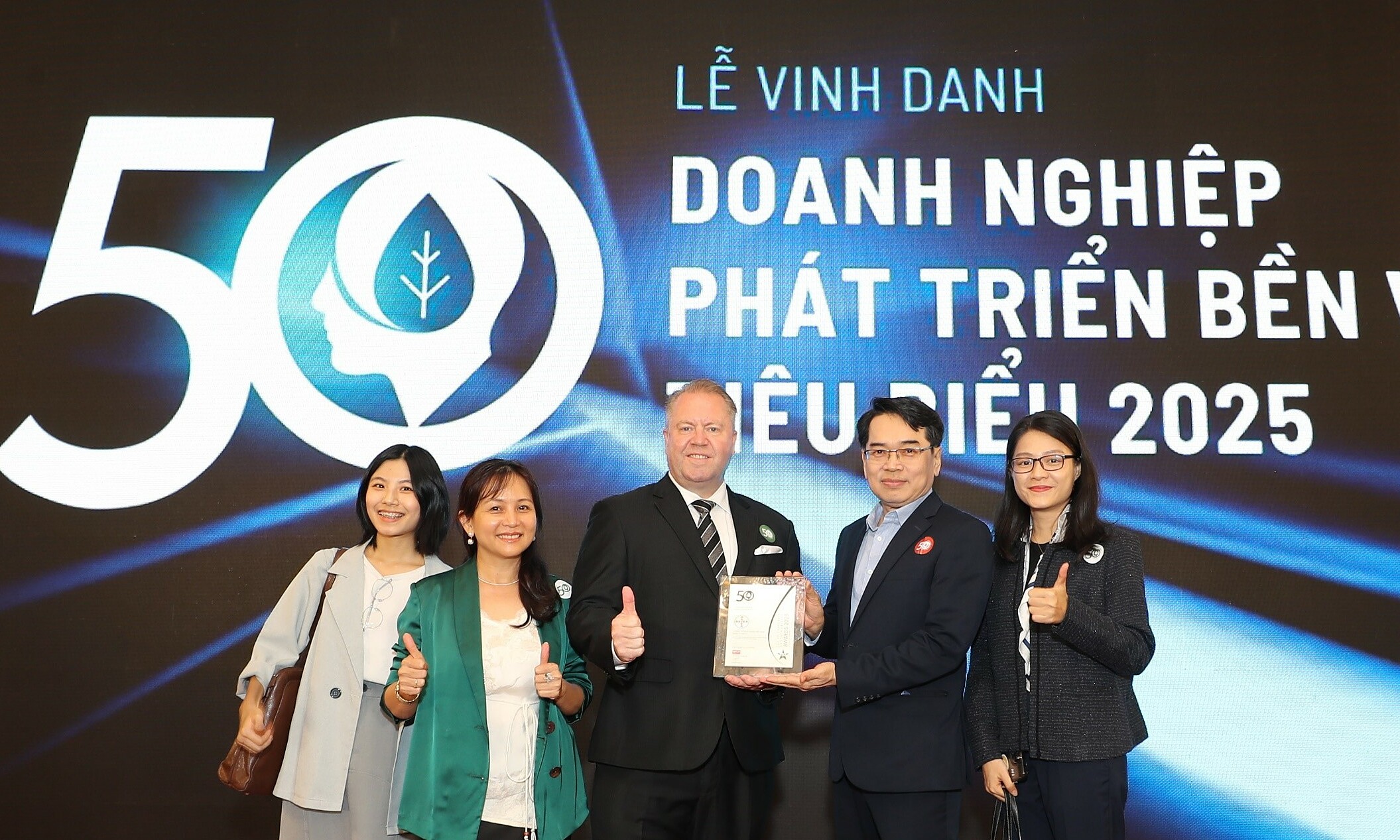
Recognition of Bayer Vietnam in Corporate Sustainability Awards
Bayer Vietnam has been acknowledged as one of the top 50 recipients of the Corporate Sustainability Awards (CSA 2025) for its impactful and effective initiatives in both agriculture and healthcare. This recognition highlights the company’s commitment to sustainable practices and its role as a leader in implementing Environmental–Social–Governance (ESG) goals.
The CSA 2025 award ceremony, organized by Nhip Cau Dau Tu Magazine, honored Bayer Vietnam as a pioneering foreign direct investment (FDI) enterprise that effectively integrates ESG principles into its operations. The evaluation process involved rigorous assessments based on ESG criteria, with expert panels from various reputable organizations such as HSBC, PwC Vietnam, Schneider Electric, Talentnet, the Institute for Circular Economy Development (Vietnam National University – HCMC), and VinaCapital.
Sustainable Agriculture and Climate Resilience
At the discussion panel "Decoding the Power Trio: Nature – Society – People," Nguyen Hoang Son, Field Solutions Lead at Bayer Crop Science Vietnam, shared insights into the company's sustainable agriculture journey. He emphasized the critical role of agriculture in addressing climate change challenges, which significantly impact weather patterns, crop growth, and food security.
Son highlighted the devastating effects of the historic drought and salinity intrusion in late 2015–early 2016 in the Mekong Delta, where 11 out of 13 provinces declared a state of emergency. Saltwater encroachment up to 85 km inland led to widespread crop destruction and long-term consequences for local communities.
Concrete ESG Practices in Vietnam
As a global leader in agriculture, Bayer aims to reduce greenhouse gas emissions per mass unit of crop produced by 30% by 2030 compared to base year levels. Additionally, the company seeks to support 100 million smallholder farmers worldwide with advanced farming solutions and technology.
In Vietnam, Bayer has launched flagship programs like ForwardFarming and Better Life Farming through public-private partnerships. These initiatives focus on promoting sustainable, low-emission agricultural practices in key regions such as the Mekong Delta and the Central Highlands, while also improving productivity and ensuring compliance with export standards.
According to the Mekong Delta Rice Institute, after five seasons of implementing the Bayer ForwardFarming model, farmers achieved up to 24.7% reductions in greenhouse gas emissions, 50% savings in water usage, and profit increases ranging from 13% to 55%. The model applied to durian and coffee farming in the Central Highlands has shown significant improvements in productivity and quality while controlling pesticide residue and preserving ecological balance.
People-Centric Approach and Digital Integration
Beyond production, Bayer emphasizes human development, stating that people are at the heart of every program and solution. The company engages in various activities, including field visits, crop care training, and technical workshops, collaborating with national and local agencies to train technical staff. It also uses digital platforms like YouTube and TikTok to provide engaging, visually-driven agronomy content to millions of farmers, enhancing their access to farming knowledge.
Gender Equality and Community Health
Promoting gender equality is another strategic priority for Bayer. Through programs such as the Women Ambassador in Sustainable Coffee Cultivation Community in the Central Highlands and similar initiatives in the Mekong Delta, the company empowers female farmers with farming techniques, health education, and household nutrition. In the Mekong Delta alone, over 800 women have benefited from these training programs.
Bayer, as a leading pharmaceuticals and healthcare company, collaborates with partners to strengthen Vietnam's healthcare system. This includes public disease awareness campaigns and supporting vital public health initiatives. Additionally, Bayer provides urgent relief campaigns to support and enhance the resilience of rural communities after natural disasters. For example, following Typhoon Yagi last year, the company swiftly provided care packages, agricultural supplies, and financial support to affected families, helping them recover and rebuild their lives quickly.