
Key Developments in UK Interest Rates and Inflation
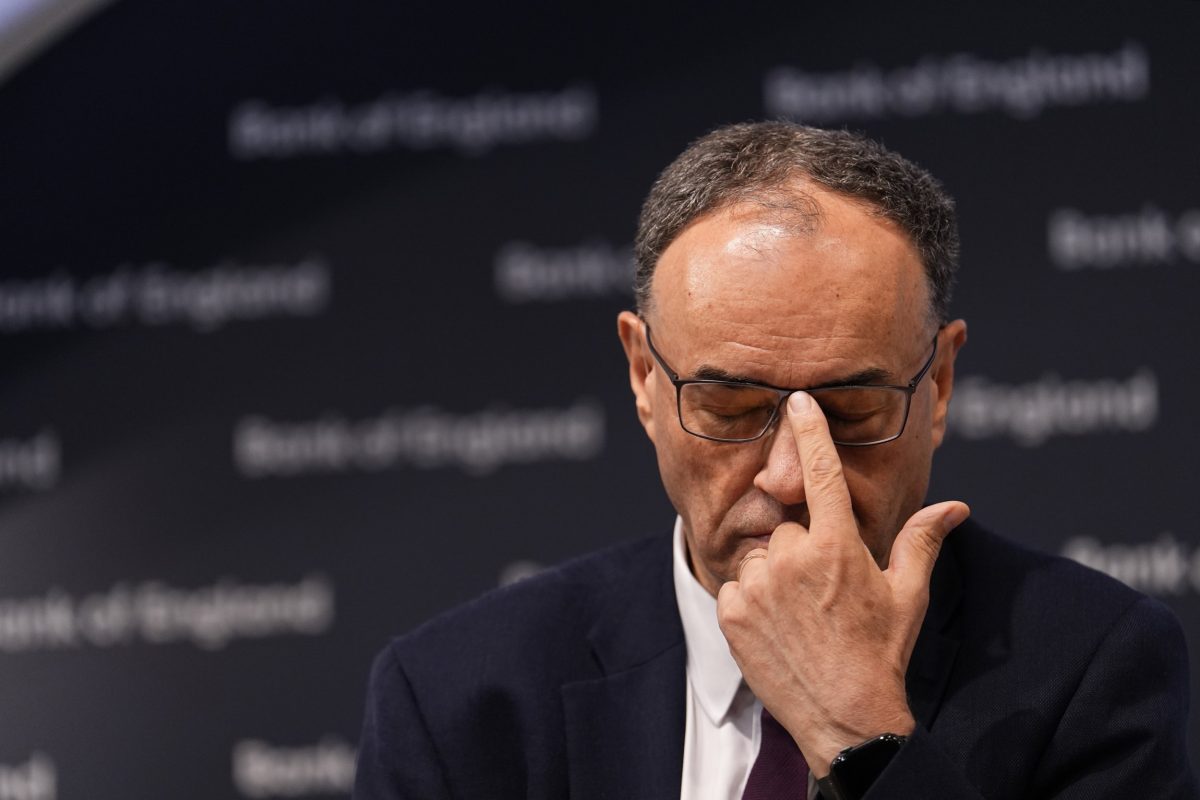
The Bank of England’s recent decision to lower interest rates by 0.25 percentage points to 4% marks the fifth reduction in just over a year, offering some relief for homeowners and borrowers. However, this move comes with growing concerns about inflation, particularly in the food sector, which could limit further rate cuts this year.
The Monetary Policy Committee (MPC) made the decision on Thursday, with a narrow vote of 5-4, highlighting the divided opinions among its members. While the rate cut is beneficial for those looking to take out mortgages or refinance existing ones, it also signals a more cautious approach from the central bank as inflationary pressures persist.
Rising Inflation Concerns
In its latest report, the Bank of England warned that inflation could rise to 4% in September, surpassing previous expectations. This increase has raised alarms among economists, who now believe that further rate cuts may not be guaranteed. The primary concern lies in the upward trend of food prices, which have been rising faster than anticipated.
According to the Bank, food price inflation is currently over 1.5 percentage points higher in the UK compared to the euro area. This disparity has significant implications for households, as food costs play a crucial role in shaping inflation perceptions and expectations.
Impact of Government Policies
The recent Budget, which included increases in national insurance contributions for employers and the minimum wage, has contributed to rising food costs. These policies have added to the burden on retailers, who are expected to face an additional £7 billion in costs this year due to higher employment costs and new packaging taxes.
Helen Dickinson, CEO of the British Retail Consortium, emphasized that these government decisions could exacerbate food inflation, disproportionately affecting lower-income families. She warned that if the Autumn Budget continues to place financial pressure on retailers, it could further drive up food prices.
Uncertainty Around Future Rate Cuts
Financial traders have adjusted their expectations, reducing bets on another rate cut this year. While they still anticipate one more cut, the level of certainty has decreased significantly. The Bank of England is set to meet in September, November, and December, providing opportunities for further policy adjustments.
Economists such as Rob Wood from Pantheon Macroeconomics and Thomas Pugh from RSM UK have expressed uncertainty about the likelihood of additional rate cuts. They suggest that the MPC may choose to "skip" a cut if there are signs of an improving labor market or if inflation remains elevated.
Sanjay Raja from Deutsche Bank Research noted that the odds of further rate cuts have declined, particularly in the fourth quarter of the year. He highlighted the growing concerns around inflation expectations and the potential for second-round effects, where higher prices lead to further increases in wages and costs.
Implications for Homeowners and Businesses
A slower pace of interest rate reductions could have negative consequences for homeowners planning to remortgage in the coming months. Tracker and variable rate mortgages typically respond quickly to rate changes, while fixed-rate mortgages follow swap rates, which are influenced by market predictions.
Chancellor Rachel Reeves welcomed the rate cut as a positive step toward improving living standards. She attributed the stability in the economy to the Labour government's efforts following the previous administration's economic turmoil. Reeves highlighted that the fifth rate cut would result in lower monthly payments for mortgage holders, benefiting both first-time buyers and those refinancing.
Despite the challenges, the Bank of England's governor, Andrew Bailey, acknowledged the increased uncertainty surrounding the future direction of interest rates. He emphasized that while the path for rate reductions may continue downward, the exact course remains unclear due to evolving economic conditions.
Outlook for the Economy
As the UK navigates these complex economic dynamics, the focus remains on balancing inflation control with support for households and businesses. The upcoming Autumn Budget will be critical in addressing the financial gap and mitigating the impact of rising costs on vulnerable populations. With inflationary pressures persisting, the government and central bank will need to work closely to ensure economic stability and affordability for all.