
Hotel rooms can appear perfectly clean upon your arrival –but unexpectedly high amounts of bacteria and viruses may be present in neglected areas.
In addition to typical areas like sinks and toilets, everyday items such as remotes and light switches are also teeming with bacteria, according to research.
A study conducted by the University of Houston revealed that hotel rooms can contain up to 10 times more bacteria—such as fecal types—compared to hospital standards.
One factor is that hotel employees typically spend only 30 minutes cleaning each room, with certain decorative elements sometimes being completely overlooked, as noted by Enza Laterrenia, head of housekeeping at Canne Bianche Lifestyle Hotel inItaly.
This is where the bacteria are concealed – and the advice from specialists on what to do immediately after arriving.
1. Decorative items
Having worked in hotels, the first things I toss to a far corner of the room are decorative pillows and any decorative runner that is placed at the foot of the bed,' Maria Diego, a travel consultant based in San Diego, told Travel & Leisure. 'These are never cleaned.
Duvet covers can also serve as a common area.
A former hotel employee mentioned on Reddit last year that most hotels don't clean the large duvet, only the bedding.


2. High-touch surfaces
Diego mentioned that she is careful when interacting with remotes, light switches, phones, and other frequently used surfaces.
Rani Cheema, a travel consultant based in Los Angeles, highlighted the room phone: "I'm disgusted by the handset," she mentioned. "No one is cleaning it."
Carpets are also a problem. As per Cheema, numerous luxury hotels are now switching to hard flooring or area rugs due to cleanliness concerns.
3. Bathtubs
Research indicates that hotel bathrooms may be more unclean than airplane restrooms, especially the sink surfaces. However, the bathtub is even more problematic.
A 2023 study conducted by WaterFilterGuru.com revealed that bathtubs may contain as much as 40 times more bacteria compared to a toilet seat.
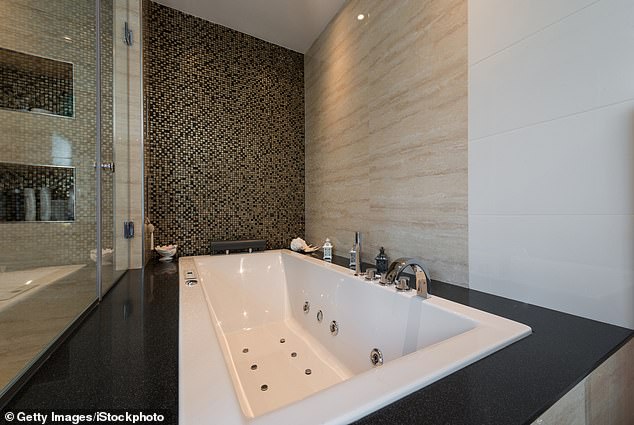
"I also refuse to take a bath in a hotel unless it's a top-tier five-star establishment, and even then, only if it has a non-jetted tub," Diego mentioned. Experts caution that jetted tubs can be challenging to clean thoroughly and might contain concealed bacteria.
4. Areas that are difficult to access and often neglected
Curtain rods, ceiling fans, showerheads, and nightstand lights are frequently overlooked during cleaning sessions, Laterrenia noted.
"When I walk into a room and see a dusty charging port near the bed or a bedside lamp covered in grime, it shows that the basics were handled, but the finer points were overlooked," Lori Carter said to Fox News Digital.
5. Eyeglasses and ice containers
Glassware is not always replaced for each guest. In certain instances, housekeeping has been observed just wiping them.
Personally, I never use mugs or glasses in the room without cleaning them first," Carter said. "I usually boil water in the kettle and rinse each item thoroughly.
"It's not related to fear, but rather about positive routines," she added.
And the ice bucket? That might become the next breeding site.
In a norovirus outbreak at a hotel, guests used ice buckets to vomit, which contributed to the spread of the illness, according to Brian Labus, an associate professor of epidemiology at the University of Nevada, Las Vegas, who shared this information with Travel & Leisure last year.
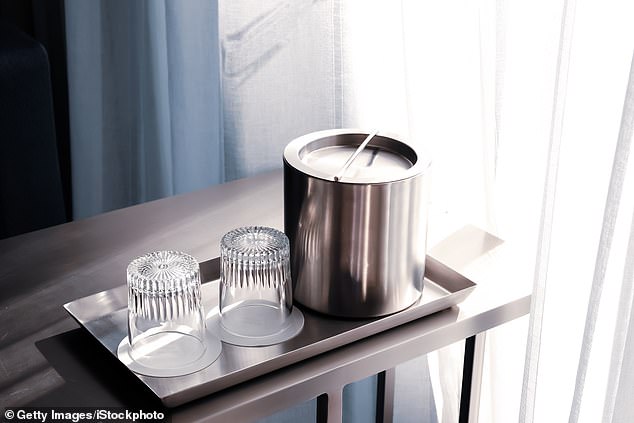
Experts suggest using only buckets that have liners—or bringing your own cooler and beverage containers if you're concerned.
If something feels wrong, Carter said, don't hesitate to notify the reception.
"The staff can clean the room once more or relocate you to a different room," she said.
Read more