
Insects Thrive in Record Warmth, but Long-Term Concerns Remain
Certain insects, such as ladybirds, butterflies, and wasps, are experiencing a surge in numbers following the warmest and sunniest spring on record across the UK. This unusual weather pattern has had a significant impact on various species, with some benefiting while others face potential challenges in the future.
The Royal Horticultural Society reported a substantial increase in aphid populations, which serve as a primary food source for ladybirds. The warm start to the summer contributed to this boom, creating a favorable environment for these small pests. However, the relative lack of rain this spring and summer could lead to lower numbers of insects and amphibians next year. Eggs may not be laid properly, and wetland areas are drying up, which could have long-term consequences for biodiversity.
While it is difficult to accurately measure insect populations, research indicates that the UK's flying insect population is in decline over the long term. Despite this, this year has seen a noticeable increase in certain species, particularly those that thrive in warm and dry conditions.
A Bumper Year for Aphids
This year has been a remarkable one for aphids, which have become abundant due to the favorable climate. While gardeners may find them problematic, aphids play a crucial role in the food chain, serving as a vital food source for birds and other insects. Dr Hayley Jones, principal entomologist at the Royal Horticultural Society, noted that aphid numbers are now beginning to decrease as their natural predator, the ladybird, catches up.
Kathryn Brown, director of climate change and evidence at The Wildlife Trusts, explained that many people across the UK are noticing more ladybirds and wasps this summer. This trend follows a poor year for species like butterflies in 2024, which were affected by a cloudy, wet spring and cool summer.
Extraordinary Butterfly Season
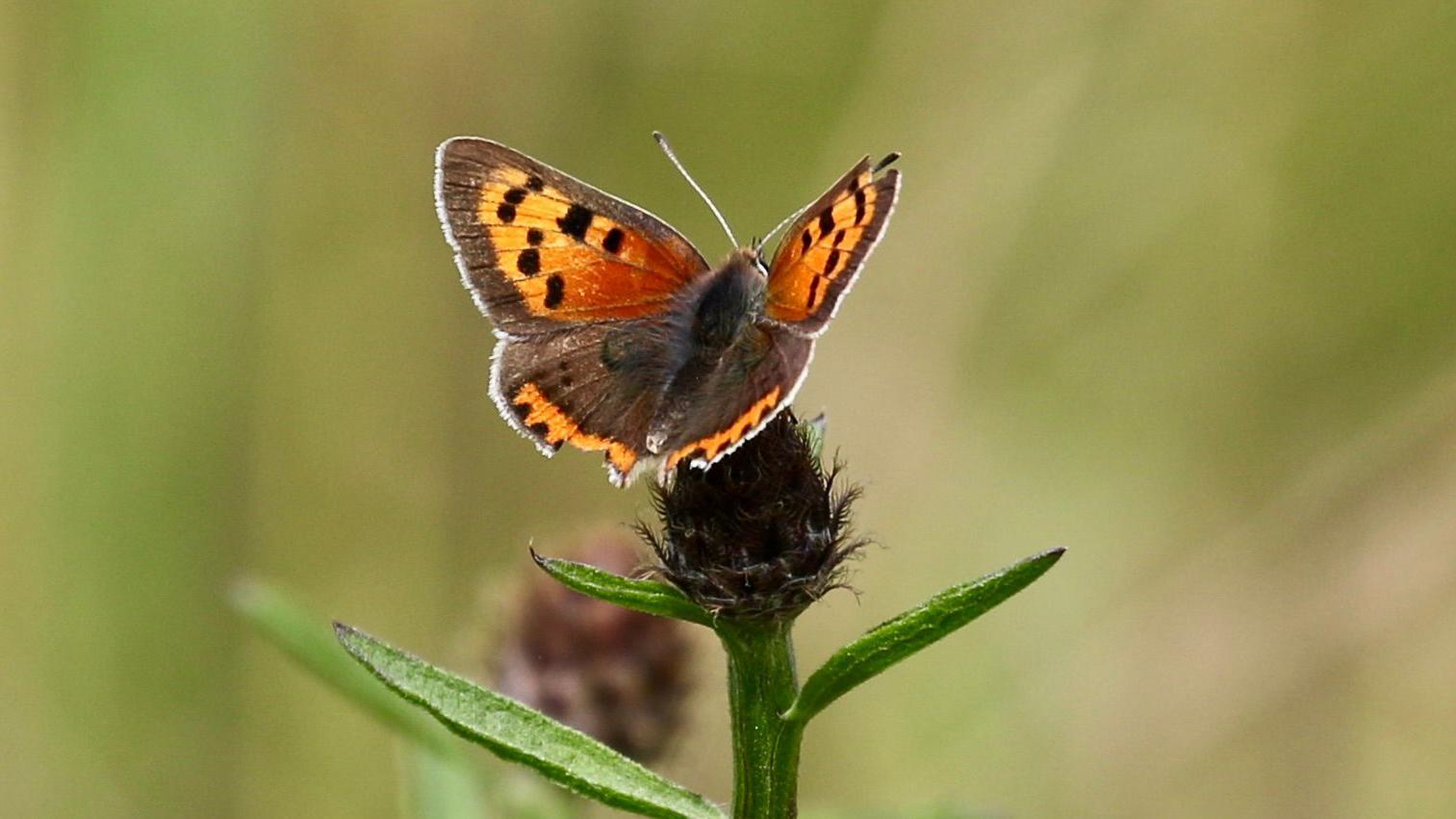
Butterflies, often considered an indicator of environmental health, have also experienced a notable resurgence. Dr Richard Fox, head of science at Butterfly Conservation, highlighted that 2025 has been extraordinary in terms of early sightings. Eighteen species were spotted at least two weeks earlier than average, and a further 24 species were seen at least a week earlier.
This contrasts sharply with the previous year’s “butterfly emergency,” when the lowest numbers of butterflies were ever recorded. Some varieties, such as the dark green fritillary, had no sightings in 2024. Butterflies, being ectothermic, rely on warmth and sunlight to regulate their body temperature and energy levels. The current warm conditions have allowed them to complete their life cycles more quickly, improving their survival rates.
Martin Wills, a lepidopterist who records butterfly numbers at Hutchinson's Bank Nature Reserve in south London, confirmed that it has been a fantastic butterfly season so far, with record numbers of early sightings.
Lavender Blooms Early, Attracting More Bees
Not far from Hutchinson's Bank Nature Reserve lie some of the UK's most beautiful lavender fields, which provide excellent habitats for butterflies and bees. Lavender thrives in sunny, warm conditions, and this year, it has bloomed much earlier than usual. Lorna May, owner of Mayfield Lavender in Surrey, reported a tenfold increase in honey production, attributing it to the thriving bee population.
However, the early bloom has also led to an increase in pests, such as the tiny, shiny rosemary beetle. To avoid using pesticides, volunteers remove these bugs by hand. Lorna May expressed concern that the plant may die earlier, potentially affecting local biodiversity for the rest of the summer.
Climate Change and Wildlife
According to Kathryn Brown of The Wildlife Trusts, climate change is causing greater unpredictability for nature. She mentioned that wildlife may experience more "boom and bust" cycles due to erratic weather patterns. The latest State of the UK Climate report from the Met Office notes that weather extremes are becoming the new normal, with hotter and drier summers expected to occur more frequently.
Eight of the 10 warmest UK springs have occurred since 2000, with the three warmest since 2017. While weather extremes are a major factor, other issues such as pesticide use and habitat loss also affect wildlife. Insects play a critical role in ecosystems, from pollination to serving as a food source and aiding decomposition.
How You Can Help
The Wildlife Trusts encourages individuals to support declining insect populations by mowing lawns less frequently, supporting local rewilding projects, and creating ponds. These small actions can make a significant difference in preserving biodiversity.
Wasps Make a Comeback
Wasps, often seen as a nuisance, have also made a strong return this summer. Their increased presence is another sign of how the changing climate is influencing wildlife dynamics. As the weather continues to shift, it will be essential to monitor these changes and adapt conservation efforts accordingly.