
Impact of Heavy Rains on Agricultural Production
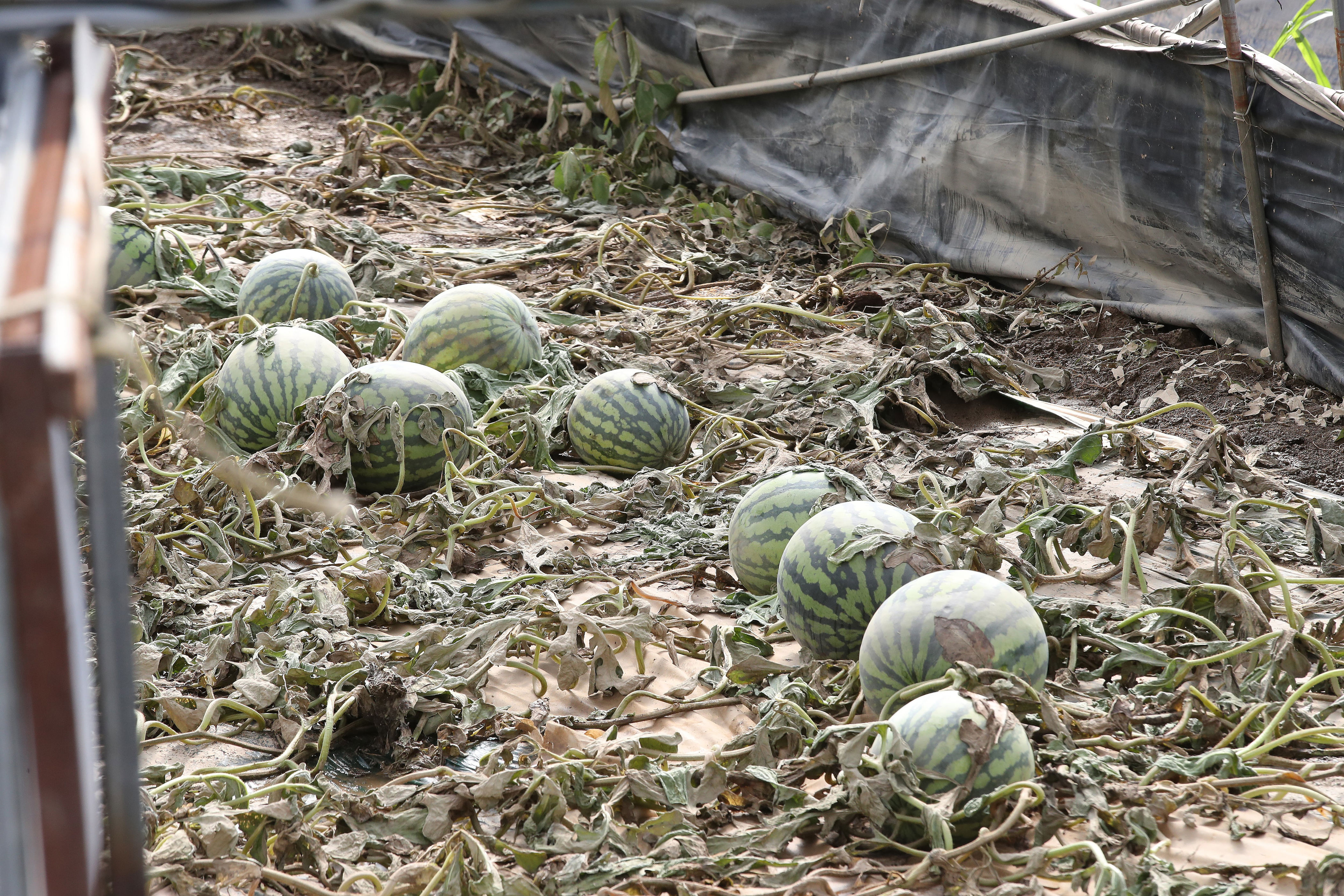
In the village of Buyeo, located in South Chungcheong Province, farmers are facing a devastating situation. Cheon Chun-gi, a local village chief, described the dire state of watermelon farms in the area. “The watermelons were ready to sell, but now they’re completely rotten. You can poke a hole in them with just a finger,” he said. The 64-year-old farmer explained that recent heavy rains caused significant damage to watermelon farms in his region.
Farmers in the area cultivate watermelons in over 700 greenhouses along the Baekma River. However, most of these greenhouses were flooded due to poor drainage systems. “The rain that fell early on July 17 should have drained into the river, but because of poor drainage, the water flowed back into the greenhouses,” he noted. As a result, about 70% of this year’s watermelon crop is considered a total loss, with only those sold before the rain being saved.
Since July 16, torrential rains have affected several regions, including Chungcheong, South Gyeongsang, and Gyeonggi provinces. Watermelons and chili peppers have been among the hardest-hit crops, leading to a rapid increase in their prices. In major watermelon-producing areas like Buyeo and Yesan, fruit ready for shipment was flooded. Similarly, in Uiryeong and Hadong, chili pepper greenhouses were submerged or damaged. The heavy rains were quickly followed by a heat wave, which added further stress to crops such as cabbage and radish.
According to data from the Korea Agricultural Marketing Information Service on July 22, the average price of a watermelon reached 31,374 won as of July 21. This represents a 38.6% increase from a month ago and a 26.3% rise from a year ago. Prices had already been climbing due to limited sunlight in May and June, and the recent floods have exacerbated the situation.
Green chili prices have also surged after flood damage wiped out crops across 343.7 hectares nationwide. As of July 21, green chilies were selling for 2,238 won per 100 grams, marking a 41.2% increase from the previous month. This is the first time in four months that prices have exceeded 2,000 won. Many chili plants in South Gyeongsang were swept away or had their roots exposed, making recovery difficult.
Cabbage and radish supplies are also under pressure. Although Gangwon Province, the main production region, was spared from flooding, the sudden heat following the rain is disrupting crop growth and harvest schedules. As of July 21, the price of a cabbage had jumped to 5,240 won, up 44.7% from the previous month. Radishes rose to 2,553 won each, representing a 22.9% increase. Flooding also affected green onions grown in summer production areas like Yesan and Asan in South Chungcheong. Their price climbed to 10,278 won per kilogram, up 23.6% from the previous month.
Even strawberries, typically harvested in winter, were hit by the adverse weather conditions. About 162 hectares of seedlings grown in greenhouses were lost. “Strawberries are planted in September and harvested in winter,” said an official from the Ministry of Agriculture. “We’re watching to see if this leads to higher prices and helping farms find replacement seedlings from other regions.”
More heat and scattered showers are expected in the coming days, adding to concerns over rising produce prices. When rain is followed by intense heat, vegetables tend to soften and spoil, while excessive sunlight can disrupt the growth of fruits like apples and pears. A similar pattern led to the fruit price surge that began in the fall of 2023, triggered by an unusually long summer heatwave.