
In an extraordinary archaeological find, fingerprints belonging to the ancestors of Australia's Indigenous peoples have been discovered deep inside a sparkling limestone cave located in GunaiKurnai Country. The study, published by The Conversationand elaborated in the journalAustralian Archaeology, reveals the enduring imprints of hand movements and gestures created thousands of years ago. These remnants, carved into soft rock using firelight, provide fresh understanding of the cultural and spiritual traditions of ancient Indigenous communities. A group of scholars from Monash University, together with theGunaiKurnai Land and Water Aboriginal Corporation, has collaborated with global archaeologists to examine these ancient symbols, some of which are more than 8,000 years old. This finding reveals a new dimension of First Nations history, recorded not via tools or buildings, but through temporary human actions that have been preserved in the cave's stones.
Exposing the Secret Realm of Waribruk Cave
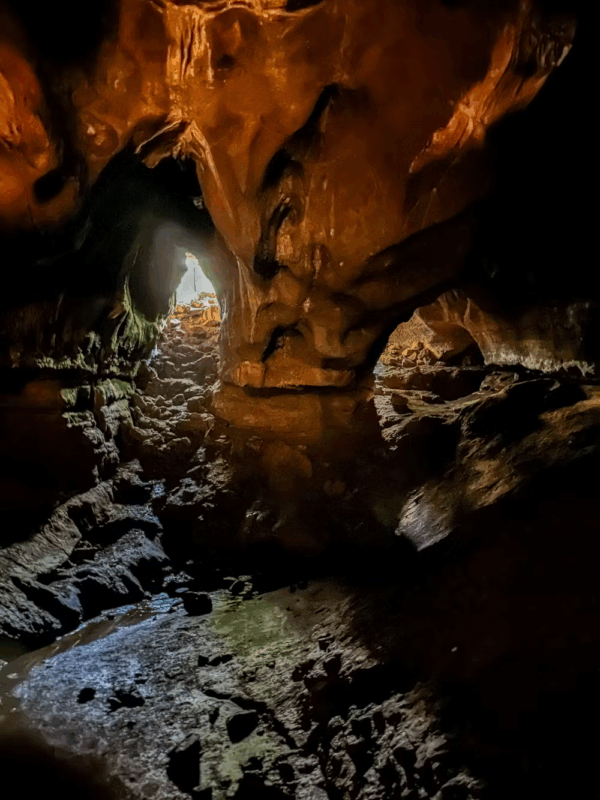
Nestled in the foothills of the Victorian Alps, Waribruk Cave, referred to by GunaiKurnai Elders, holds a remarkable history beneath its sparkling exterior. For thousands of years, the cavehas continued to be hidden in darkness, its isolated position reachable only by individuals with specific knowledge and authorization. The limestone walls and ceilings have gradually been eroded by subterranean water, making them soft and pliable, which offers an ideal medium for preserving fragile human imprints. As time passed, microcrystals formed by bacteria residing on the damp limestone have made the cave shimmer when exposed to light, increasing the visibility of the finger marks that remain. The actions of those ancestors who entered this holy area were captured on the very walls they touched, offering a unique insight into the religious customs of an ancient civilization.
The Influence of Light and Contact in the Early Caves
To access the innermost parts of Waribruk Cave, ancestors would have needed to carry firesticks or small fires, essential for both illumination and warmth in the completely dark interior. These man-made light sources were crucial in forming the finger impressions that archaeologists have found. The soft rock surfaces, similar to the consistency of modeling clay, were molded by the fingers of those who traversed the cave, and the marks they left indicate intentional actions connected to ceremonial practices. Although excavations beneath the finger panels did not reveal any signs of hearths or food remnants, traces of charcoal and small areas of ash were discovered nearby, reinforcing the idea that fire was used during the creation of these markings.
Recreating Ancient Gestures: The Finger Grooves at Waribruk
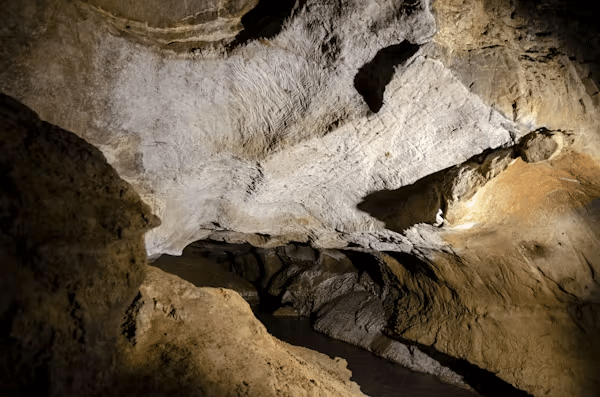
The finger grooves found at Waribruk display complex patterns of motion. Some grooves extend horizontally across the rock, formed by multiple fingers and occasionally both hands moving together. Others run vertically or diagonally, crossing the horizontal lines and indicating layers of activity over time. In one area, there are narrow parallel impressions thought to have been made by a child, probably lifted by an adult to access a high part of the cave. The different directions of the grooves—horizontal, vertical, and diagonal—show the various ways people engaged with the space, whether standing, crawling, or stretching. These grooves are more than just markings on stone; they capture moments in time, cultural practices, and the movements of individuals who considered this place sacred.
The Holy Aspect of Waribruk Cave and Its Grooves
Waribruk Cave is more than just a location of natural splendor; it is a revered area deeply connected to the spiritual customs of the GunaiKurnai community. According to oral histories, the cave held special meaning for the mulla-mullung, also known as medicine people, who were thought to hold significant knowledge and the power to heal or inflict harm through ceremonies. In line with GunaiKurnai beliefs, these individuals were likely the ones who entered the cave and left behind the finger marks as part of their spiritual activities. The presence of these grooves in sections of the cave covered with calcite microcrystals highlights their importance in rituals involving sacred wisdom. The lack of everyday items like tools or fire pits also reinforces the notion that Waribruk was not a site for regular life but rather a center for intense cultural and spiritual practices.
The Enduring Cultural Heritage Carved in Stone
This archaeological find extends beyond tangible items such as tools and fire pits, providing a unique type of evidence that links us directly to history. The finger marks at Waribruk are not just signs of human activity, but a cultural heritage that reflects the sacred ceremonies of the GunaiKurnai people. These markings, created in an area few could access, symbolize a connection to spiritual dimensions, as well as a direct engagement with nature. Through these tiny, temporary actions, the ancestors' bond with the land, the sacred, and one another is preserved in stone, capturing a moment in time that reveals much about the beliefs and traditions of Australia's First Peoples.
What the Rhythms Reveal About Indigenous Spiritual Beliefs
The fingerprints found at Waribruk go beyond being mere proof of ritual—they reveal a glimpse into the spiritual practices of ancient Indigenous Australians. The intentional nature of these markings, along with their placement near sparkling calcite microcrystals, implies that these actions were part of a sacred practice linked to significant knowledge. The link between the cave's natural features and the spiritual activities of the mulla-mullung highlights a strong connection between culture, memory, and spirituality. This finding helps us better grasp how the original inhabitants perceived their world and the forces they believed shaped it.
Enjoyed this article? Sign up for our free Newsletterfor captivating narratives, unique material, and up-to-date information
For further news similar to this, visitIndiandefencereview.com