
During the 1950s and 1970s, Casablanca emerged as an unexpected international hub for gender reassignment procedures, under the leadership of pioneering French gynecologist Dr. Georges Burou. His advanced methods and confidential clinic drew numerous patients, including well-known European performers.
Some may not realize that Casablanca, Morocco, was once a leading hub for gender reassignment surgery. Between the 1950s and 1970s, Clinic Le Parc, situated close to the current Parc de la Ligue Arabe, drew hundreds, possibly thousands, of people looking to transition from male to female. At the heart of this medical advancement was French gynecologist Georges Burou, who is often recognized as a pioneer in contemporary gender reassignment surgery for trans women.
Educated in Algiers and starting his career there, Dr. Burou later relocated to Morocco, where by 1974 he had carried out approximately 700 operations, as reported.Time magazineA report titled "Prisoners of Sex." This number is thought to have eventually increased to around 8,000 procedures.
I don't turn men into women. I transform male genitalia into genitalia that have a feminine appearance. The rest is in the patient's mind," Dr. Burou said to Time. Many of his patients, he emphasized, had already been living as women before coming to Casablanca to undergo what he referred to as "the final, irreversible step.
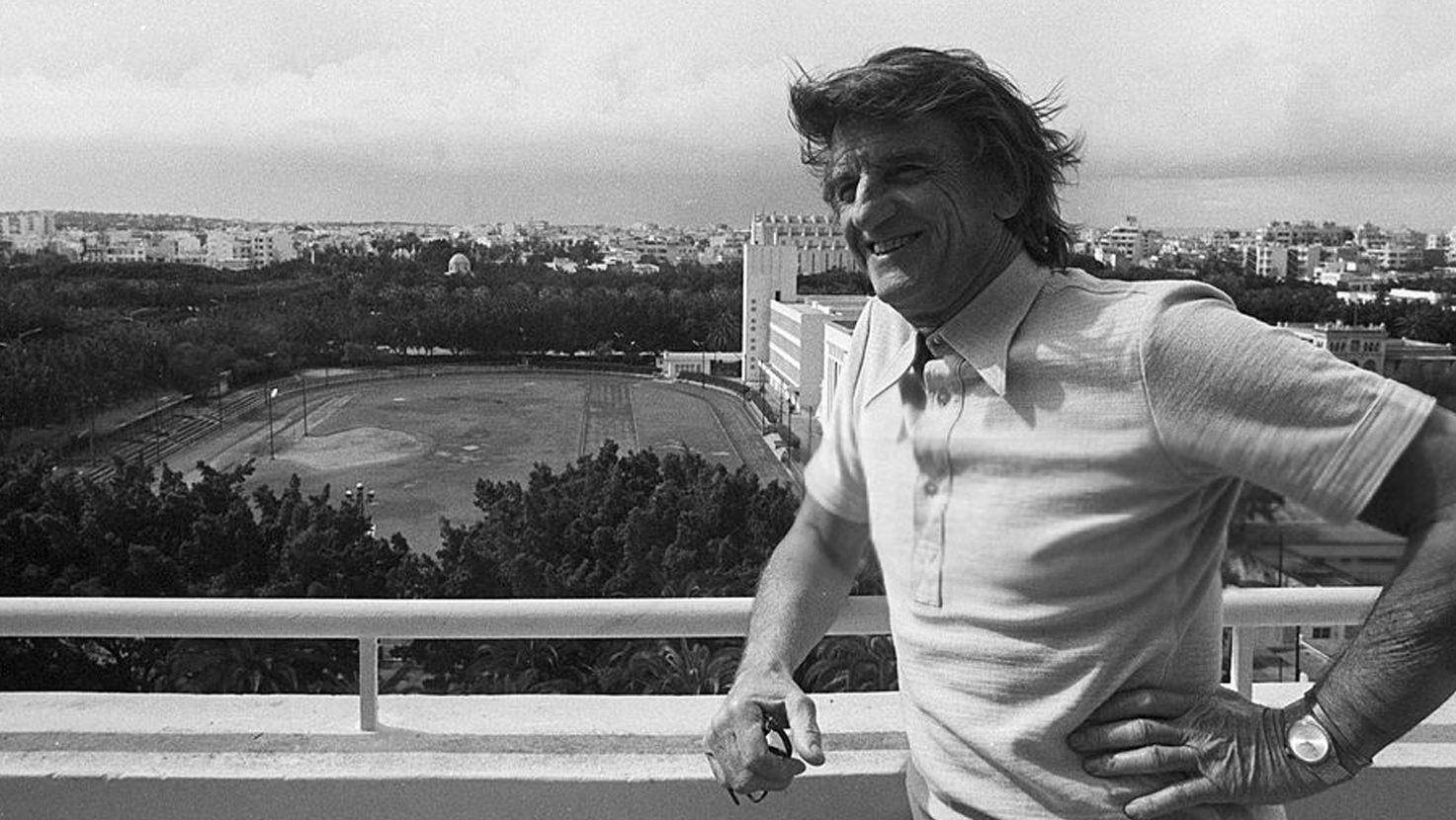
Dr. Burou's distinctive technique, medically referred to as anteriorly pedicled penile skin flap inversion vaginoplasty, enabled the formation of a new vagina in one surgical step by utilizing penile and scrotal skin. This groundbreaking approach became a key method for male-to-female surgeries and continues to have an impact in the field now.
A medical celebrity
In addition to his medical advancements, Burou's clinic in Casablanca attracted considerable attention because of its famous clients, who were prominent individuals in the European entertainment industry.
He gained significant public attention in 1956 when Jacqueline Charlotte Dufresnoy, a Parisian singer known as Coccinelle and a performer at the Le Carrousel nightclub, approached him for gender reassignment surgery. Later, another performer from Le Carrousel chose to go to Morocco for the same operation: British model April Ashley, who traveled to Casablanca in 1960. She becameBurou’s ninth patientand one of the earliest British nationals to receive gender reassignment surgery.
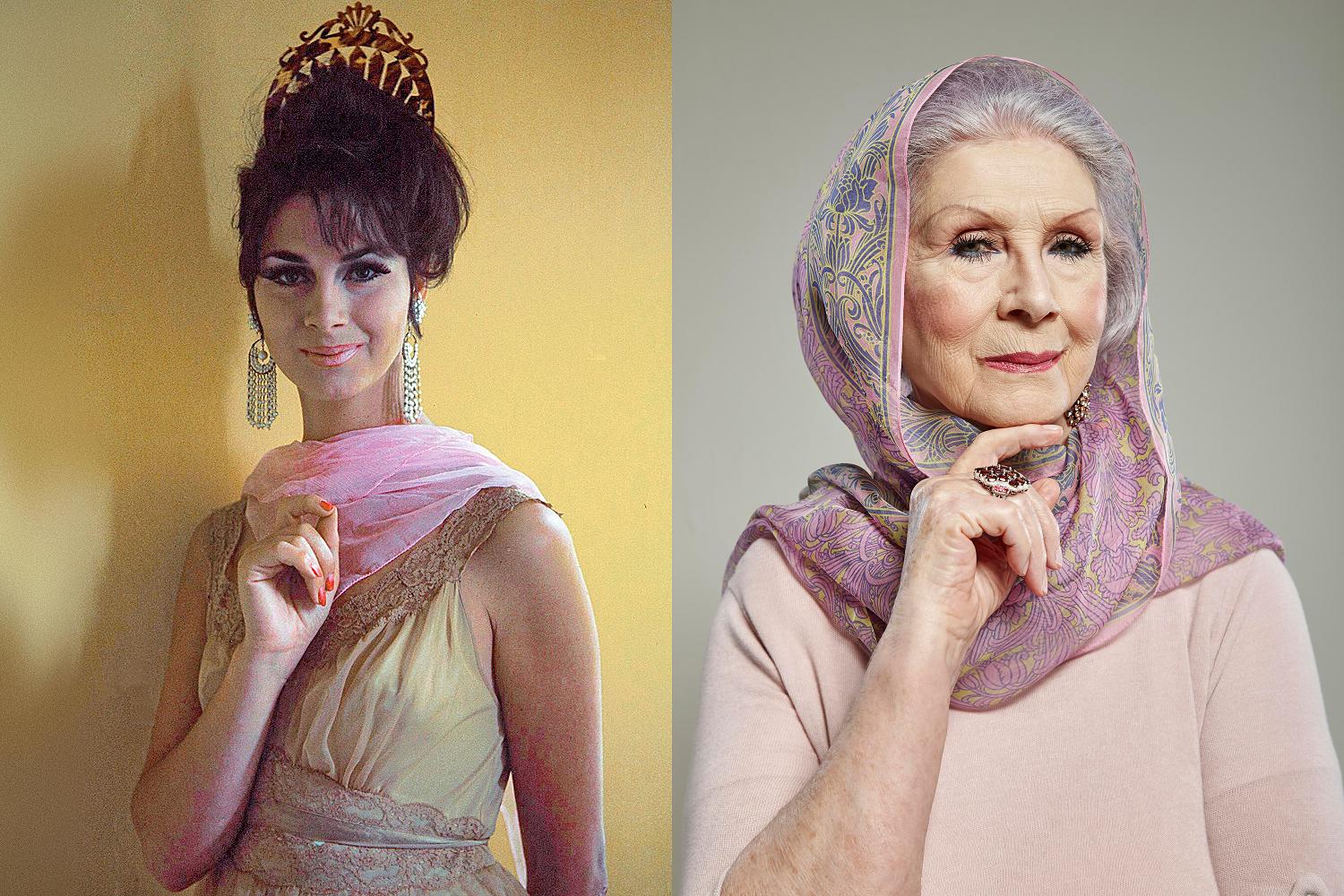 April Ashley. / Ph. DR
Although her transition was successful, Ashley later encountered legal difficulties. Her «secret» transition was revealed by a British tabloid, leading to the well-known Corbett v. Corbett divorce case in which aBritish court ruledher marriage is invalid because she was legally identified as male.
"In Paris, I had an internal debate about undergoing a sex change. I was aware that I would be pioneering a risky procedure," Ashley once wrote, thinking back on her choice. "The doctor informed me there was a 50-50 chance I might not survive. Still, I knew I was a woman and couldn't continue living in a male body. I had no other option. I traveled to Casablanca, and the rest, as they say, is history," she remembered.
Another well-known patient was the celebrated British writer and journalist Jan Morris, who had surgery at Burou's clinic in 1972 when she was 45 years old. Her transformation further solidified Burou's reputation not only as a distinguished surgeon but also as a globally recognized medical figure.
I created her as a genuine woman
In a 1974 conversation with Paris Match, Burou recounted how he started conducting gender reassignment surgeries: "I began this field almost by chance, as a beautiful woman came to see me. In fact, it was a man—I only found out later." The patient, he mentioned, felt their body was "an accident." Burou carried out a three-hour procedure, stating, "I turned her into a real woman."
Other well-known patients at Burou's Casablanca clinic are thought to include Amanda Lear, the renowned singer and inspiration for Salvador Dali. It is said she underwent the procedure by Burou in 1964, reportedly costing $1,250, which was allegedly paid for by Dali.
As societal views evolved and the medical community became more aware, Burou showcased his methods at conferences in Stanford and Paris and was featured in global publications, such as Time. By the end of the 1970s, it was reported that he had conducted between 800 and 3,000 operations.
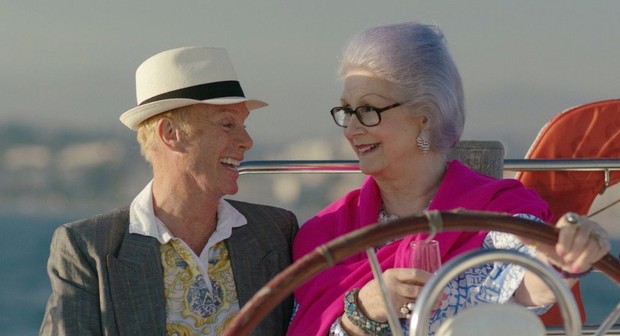 From the documentary, I am a Woman Now. / Ph. DR
Georges Burou passed away in February 1987 due to a boating accident near the Moroccan coastline. Nevertheless, his impact continues, not just in surgical manuals but also in the lives of the women he empowered.
In 2011, the documentary I Am a Woman Now(originally named Casablanca Revisited) examined this chapter of the city's past by tracking multiple transgender women who had procedures at Burou's clinic. Each of them, regardless of their varied life journeys, has one key link: Casablanca and Dr. Burou.