
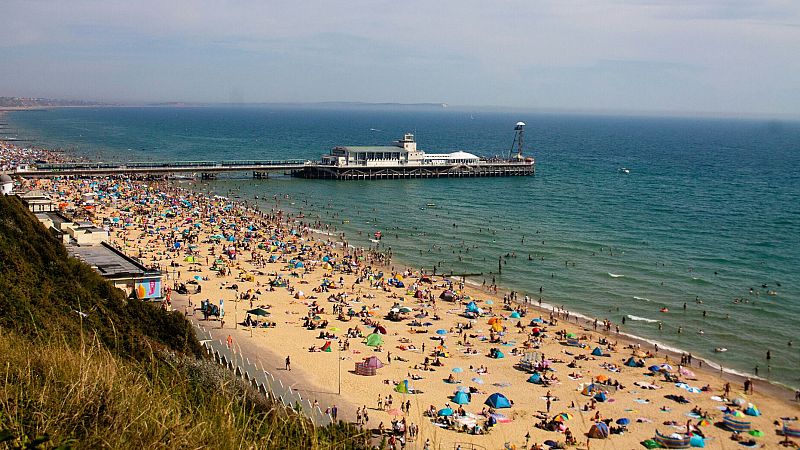
Europe’s Most Popular Beaches Face Growing Complaints
Every year, millions of travelers head to Europe’s most iconic beach destinations, hoping for a perfect escape filled with sun, sand, and relaxation. However, the reality often falls short of the idyllic images seen online. A recent report has highlighted that European beaches are among the most frequently complained about in the world, particularly when it comes to overcrowding.
The findings, based on TripAdvisor reviews of 200 of the world's most visited beaches, were analyzed using keyword filters to identify the most common grievances. The results reveal a growing disconnect between the picturesque photos shared online and the actual experiences of visitors.
Europe Dominates Overcrowding Rankings
Overcrowding is a major issue across many European beaches. In fact, eight out of the ten most criticized beaches for overcrowding are located in Europe. The UK’s Bournemouth Beach ranked fifth globally, with frequent complaints about both cleanliness and crowds. However, no country faces more challenges than Italy.
Sardinia’s La Pelosa, known for its stunning turquoise waters and pristine sands, topped the global list for overcrowding complaints. Nearly 87% of negative reviews mentioned issues related to crowds. One reviewer noted that even on a weekday morning in mid-September, the beach was packed like central London or New York on New Year’s Eve.
Other Sardinian beaches, such as Spiaggia La Cinta, also made the top rankings. Portugal’s Praia da Falésia, along with Ibiza’s Cala Comte and Cyprus’s Konnos Bay, were also recognized for their beauty despite the crowded conditions.
Greece’s Beaches Struggle with Dirtiness and Noise
While Greece did not rank as high as some other European countries in terms of overcrowding, it stood out in other areas. Balos Lagoon in Crete ranked 26th overall and seventh globally for dirtiness, with nearly half of the complaints citing cleanliness issues. Elafonissi, another popular Cretan beach, came in as the seventh most complained about beach globally, with over 70% of negative reviews mentioning overcrowding.
Porto Katsiki, a picturesque beach on Lefkada Island, landed in the global top ten for noise and disruption. This highlights how increased popularity can place significant pressure on ecological landmarks. The World’s 50 Best Beaches also ranked Porto Katsiki at number 36 in 2025, underscoring the challenges faced by highly sought-after destinations.
How the Rankings Were Compiled
Cloudwards analyzed over 1.3 million TripAdvisor reviews of 200 beaches worldwide. They filtered negative reviews for keywords related to four main categories: dirtiness, overcrowding, long queues, and noise. Each beach was given a complaint score from 0 to 100, with higher scores indicating more frequent complaints.
This method revealed some surprising results. For example, Waikiki Beach in Hawaii received a perfect 100 for all the wrong reasons, highlighting the extent of its overcrowding and other issues.
Addressing the Challenges of Overtourism
Many of these destinations face similar challenges: limited shoreline, peak-season congestion, and viral social media fame that has outpaced infrastructure. In response, some beaches have started implementing measures to manage tourism pressure and protect their environments.
Sardinia has taken a proactive approach with policies aimed at reducing damage to its popular beaches. These include daily visitor caps, mandatory advance bookings, and bans on bringing towels to prevent sand erosion. In Greece, a €20 entry fee was introduced in 2025 for cruise passengers visiting congested island hotspots like Mykonos and Santorini.
Spain has also taken steps to address the issue, banning alcohol on some beaches and introducing fines to curb undesirable behavior. These efforts reflect a broader reckoning with overtourism across Europe, from its cities to its coastal regions.
The Future of Beach Holidays
As the summer season unfolds, the golden promise of a perfect beach holiday is being tested by increasing crowds, chaos, and the growing gap between expectations and reality. In an era of curated photos and viral fame, even paradise may have a breaking point. With ongoing efforts to manage tourism, the challenge remains to balance the needs of visitors with the preservation of these beautiful natural wonders.