
Persistent Barriers to Healthcare for Non-South Africans
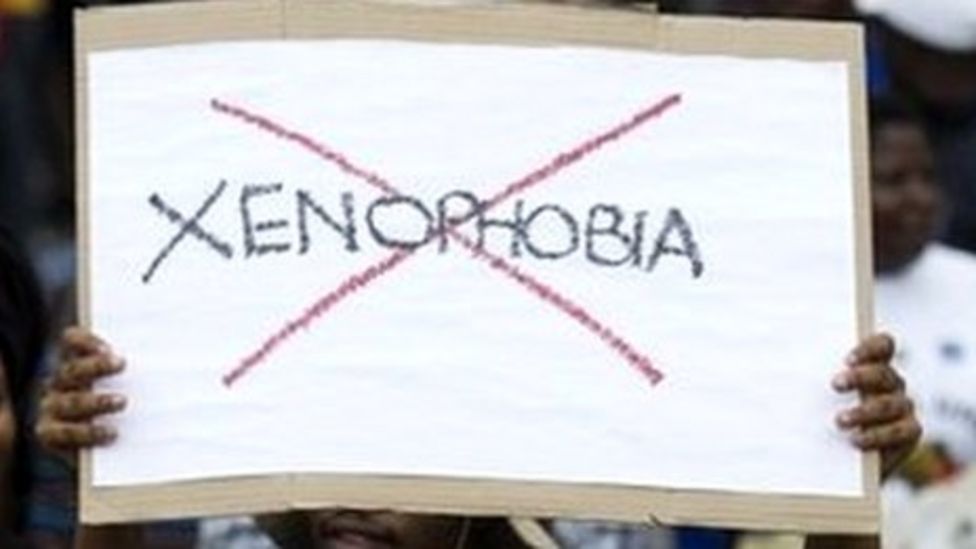
Doctors Without Borders (MSF) has raised serious concerns about the ongoing and systematic denial of healthcare access to non-South Africans in several provinces, including Gauteng and KwaZulu-Natal. This includes vulnerable groups such as pregnant women, individuals living with HIV, patients with chronic illnesses, and children. The organization is urging immediate action from the National Department of Health (NDoH) and provincial health departments to ensure that all residents have equal access to medical care, as guaranteed by the country’s Constitution and the National Health Act.
For weeks, anti-migrant groups have been stationed outside numerous clinics and hospitals, preventing non-South Africans from entering public health facilities regardless of their legal status. These groups often demand identification and turn away those they perceive as foreign nationals. MSF conducted an assessment to understand the extent of these blockages and the impact on affected individuals. Their findings reveal a deeply troubling situation.
During the assessment, MSF visited 15 hospitals and clinics in Gauteng, where they observed that more than half of the facilities were denying entry to patients. The groups involved, consisting of between two and 10 people, were either positioned at the entrance or inside the buildings, actively screening individuals. The issue appears to be more prevalent in primary healthcare clinics (PHCs) compared to hospitals.
The situation is exacerbated by instances of collusion between security staff and healthcare workers with these anti-migrant groups. In some cases, security personnel and medical staff have supported the actions of the groups, further compounding the problem. MSF is calling for urgent intervention from the Department of Health to address this issue and ensure that healthcare facilities are safe spaces for everyone.
Impact on Patients and Communities
MSF also reached out to nearly 50 patients who reported being denied access to healthcare services across 24 facilities in and around Johannesburg, Durban, and Tshwane. Among them were late-term pregnant women, individuals with diabetes, hypertension, and HIV. Many expressed feelings of fear, panic, and confusion. Most of these patients already face financial struggles and cannot afford private medical care. Some tried to retrieve their medical records to seek treatment elsewhere but were unsuccessful, leaving them unsure of what to do next. Others lacked prescriptions, making it impossible to refill their medication at pharmacies.
The consequences of this denial of care are severe. Pregnant women with high-risk conditions, such as hypertension, diabetes, and HIV, are left unmonitored and untreated. Some HIV patients have gone without medication for over two weeks, while others had only a few days' supply when MSF spoke to them. Stopping HIV treatment can lead to serious complications and increase the burden on the healthcare system as patients become sicker and require more intensive care.
Calls for Immediate Action
Claire Waterhouse, MSF Southern Africa's Director of Operational Support Unit, emphasized the urgency of the situation. She called on the National and Provincial Departments of Health to take immediate steps to make clinics safe for all patients. This includes providing timely police protection where necessary and working with communities to find long-term solutions instead of blaming non-South Africans.
MSF is urging the National Department of Health to reaffirm the right of all residents to access basic healthcare without discrimination. They also recommend conducting health education campaigns to ensure that non-South Africans feel safe returning to healthcare facilities and that South Africans understand the importance of this right.
Personal Stories of Struggle
Several individuals have shared their experiences of being turned away from healthcare facilities. Thando, a 33-year-old woman in Gauteng, was denied entry to a hospital because she did not have a South African ID. As a high-risk pregnant woman with hypertension, she faces significant challenges. She described how a man with an ID card walked through the queue, telling patients they should leave if they didn’t have similar documentation. The nurses supported him, saying they were tired of non-citizens.
Rose, a 38-week pregnant woman who has been in South Africa since 2019, described the trauma of being blocked from accessing healthcare. She worries about potential complications during her pregnancy and fears losing her baby. Tecla, a domestic worker living with HIV, is also struggling. She has medication until August 15, but fears going to the clinic for a refill due to the risks involved.
These stories highlight the broader issue affecting thousands of non-South Africans and even some South Africans who lack proper documentation or appear foreign. This is not a new problem; in 2022, similar protests occurred outside a hospital in Tshwane, leading to public condemnation of xenophobic behavior.
Ongoing Efforts and Support
Since 2007, MSF has provided free medical care to vulnerable populations, including migrants, asylum seekers, and refugees. Over the years, they have responded to the impacts of xenophobic violence on healthcare access. Recently, MSF supported displaced migrants in Addo, Eastern Cape, with essential items like food, water, and hygiene products following targeted violence.
The situation remains dire, and the need for immediate and sustained action is clear. MSF continues to advocate for the rights of all individuals to access healthcare, regardless of nationality or documentation status.