
UK's Decision to Restrict Booster Jabs Sparks Concern
Health officials in the UK have faced growing pressure to reconsider their decision to stop offering booster vaccines to individuals aged 65-74 this winter. This move has left millions of older adults without access to the jabs, despite being eligible during the pandemic. Only those over 75, residents in care homes, and people with weakened immune systems will be able to receive the vaccine.
Experts have criticized the decision as "hugely concerning" and "reckless," warning that it could lead to a surge in cases among the elderly before they can get their top-up jab. The concern is particularly heightened following the emergence of a new variant called 'Stratus,' which is believed to be more infectious than previous strains and has rapidly become dominant in the UK.
The Joint Committee on Vaccination and Immunisation (JCVI), which advises the government on vaccination strategies, defended the decision by stating that additional doses offer only limited protection against infection due to high population immunity. However, many professionals argue that this approach may not account for the potential risks to public health.
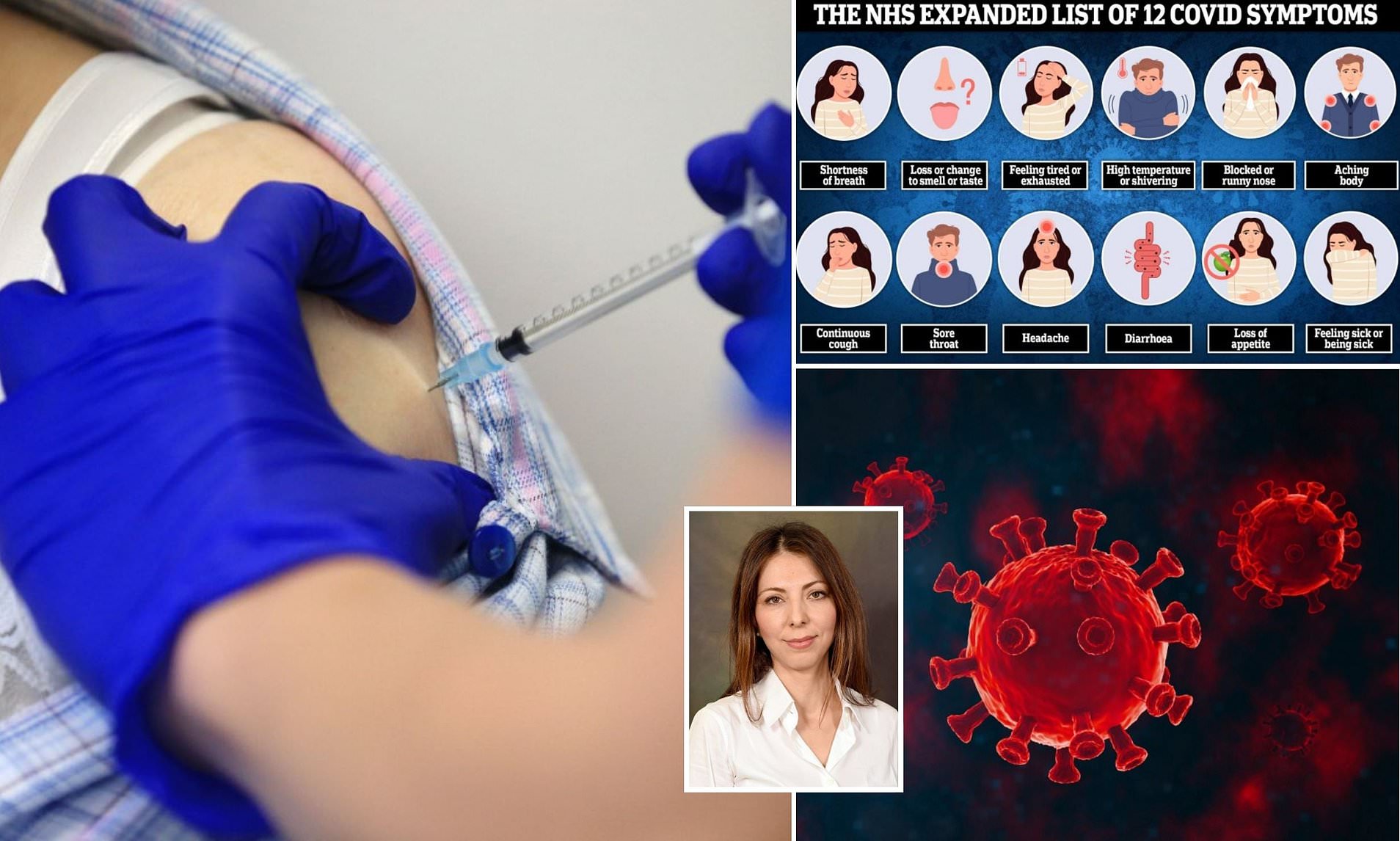
Dr. Leyla Hannbeck, chief executive of the Independent Pharmacies Association, expressed strong disapproval of the JCVI's decision. She highlighted the risk of increased cases among the elderly and the potential burden on the NHS if hospitalizations rise. Dr. Hannbeck warned that saving costs now could result in much higher expenses later if patients end up hospitalized.
She also pointed out that other countries, such as Germany and the United States, continue to recommend vaccines for all pensioners. "To deny millions of seniors their COVID jab this year is to take an unacceptable risk with patient health and risks producing a winter crisis the NHS simply won’t be able to cope with," she said.
A spokesperson from the Department of Health and Social Care (DHSC) stated that the decision was based on expert advice from the JCVI, which continuously monitors and evaluates scientific evidence on vaccines. They encouraged anyone who is eligible to come forward for vaccination this autumn.
Under the JCVI's guidance, frontline NHS workers and care staff will no longer be offered free jabs. The committee claims that in the current climate of high population immunity, additional doses provide very limited, if any, protection against infection and subsequent transmission.
Vaccines have been credited with saving millions of lives globally, including 1.6 million in Europe and 3 million in the United States. They have also played a crucial role in ending the series of lockdowns that characterized the pandemic. In the UK, the government has repeatedly stated that it will avoid imposing lockdowns unless a highly dangerous variant emerges.
The population's immunity, built through multiple waves of infection and vaccination campaigns, has given officials confidence in moving away from pandemic-era measures. However, spikes in cases can still cause widespread illness, affecting schools, healthcare services, and public transport. Officials have also reduced their tracking of virus prevalence as part of their efforts to return to pre-pandemic normalcy.