
Israel's Security Cabinet Meets Amid Reports of Expansion Plans in Gaza
The Israeli Security Cabinet is currently meeting to discuss potential expansions of military operations in the Gaza Strip. This comes as Prime Minister Benjamin Netanyahu is reportedly seeking approval for a plan to reoccupy parts or all of the territory not yet under Israeli control. The move has raised concerns among military officials and sparked protests from families of hostages held by Hamas and other groups in the region.
The decision to expand operations has drawn criticism from various quarters, with some arguing that it could endanger the lives of hostages still held in Gaza. According to Israeli estimates, approximately 50 hostages remain in the area, with around 20 believed to be alive. The families of these captives have expressed strong opposition to any further occupation, fearing that it could put their loved ones at greater risk.
Military Concerns and Internal Pressure
Israeli army chief Eyal Zamir has reportedly warned that such a plan would not only endanger the hostages but also place additional strain on the Israeli military. During recent discussions with Netanyahu, Zamir presented several options for continuing the conflict, although no specific details were made public. The final decision on any expansion of operations will require approval from the Israeli Security Cabinet.
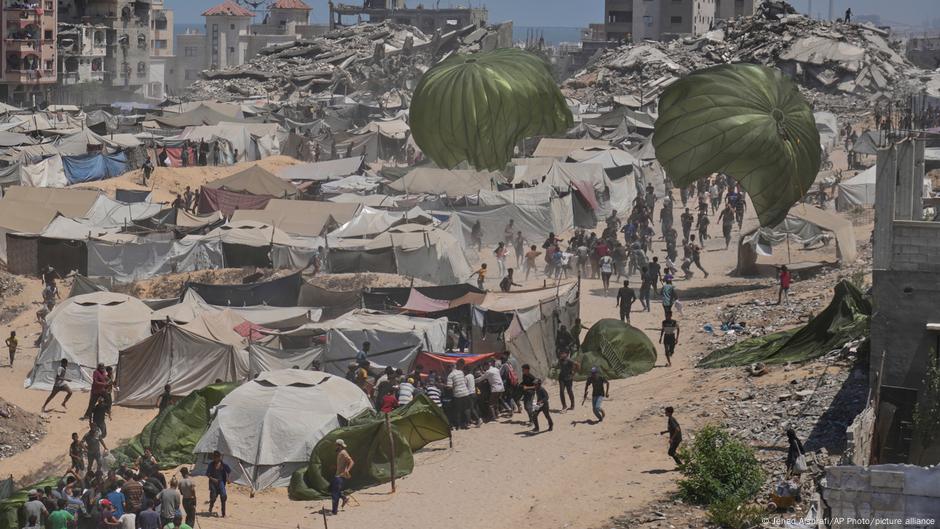
Despite the warnings, Netanyahu appears determined to push forward with his plans. His government has been under increasing pressure both domestically and internationally, with growing concerns over the humanitarian crisis in Gaza. The World Health Organization (WHO) has reported that the region is facing one of the worst malnutrition crises in history, with the highest monthly figure ever recorded for children under five suffering from acute malnutrition.
International Reactions and Regional Tensions
Meanwhile, former US President Donald Trump has called for more Middle Eastern countries to join the Abraham Accords, a deal he brokered during his time in office. The agreement, which saw four Muslim-majority nations normalize relations with Israel, was intended to promote peace in the region. However, many countries have hesitated to join due to widespread public outrage over the ongoing conflict in Gaza.
Trump recently stated that it is "very important" for all Middle Eastern countries to sign onto the agreement, particularly after what he described as the "total obliteration" of Iran’s nuclear arsenal. However, the situation remains complex, with many nations reluctant to take sides amid the escalating violence.
Humanitarian Crisis and Protests
The humanitarian situation in Gaza continues to deteriorate, with local officials estimating that over 60,000 people have been killed since Israel's military campaign began. The UN and other international organizations have repeatedly called for an immediate ceasefire and increased aid to the region.
In addition to the political and military developments, there are also signs of growing unrest within Israel itself. On Thursday, members of the ultra-Orthodox community are expected to hold a protest against the arrest of students who evaded military service. This reflects broader societal tensions and debates over the role of the military in Israeli society.
Ongoing Coverage and Uncertainty
As the Israeli Security Cabinet continues its meetings, the world watches closely to see whether Netanyahu will gain approval for his proposed expansion in Gaza. The outcome of these discussions could have far-reaching implications for the region, affecting not only the conflict but also the prospects for peace and stability.
The situation remains highly volatile, with reports of continued violence, rising civilian casualties, and deepening divisions. As the international community grapples with the unfolding crisis, the need for a diplomatic solution becomes more urgent than ever.