
Moroccan Wedding Cuisine: A Culinary Journey Through Time
Moroccan wedding cuisine is a vibrant reflection of centuries-old culinary traditions, with dishes like roasted chicken, lamb, pastilla, and Kaab el Ghazal deeply rooted in history. These meals have their origins in the 12th and 13th centuries, as seen in cookbooks from the Almohad era, which covered regions that include modern-day Morocco and parts of the Iberian Peninsula. The recipes found in these ancient manuscripts reveal striking similarities to the festive meals still enjoyed at weddings today.
Summer marks the peak of wedding season in Morocco, where celebrations are not only about love but also about preserving cultural heritage. Just as traditional attire like the caftan and jellaba continue to be worn, weddings serve as a platform for upholding Morocco’s rich culinary legacy. Many of the dishes served during these events can be traced back through generations, showcasing the enduring nature of Moroccan food culture.
Roasted Chicken: A Centuries-Old Tradition
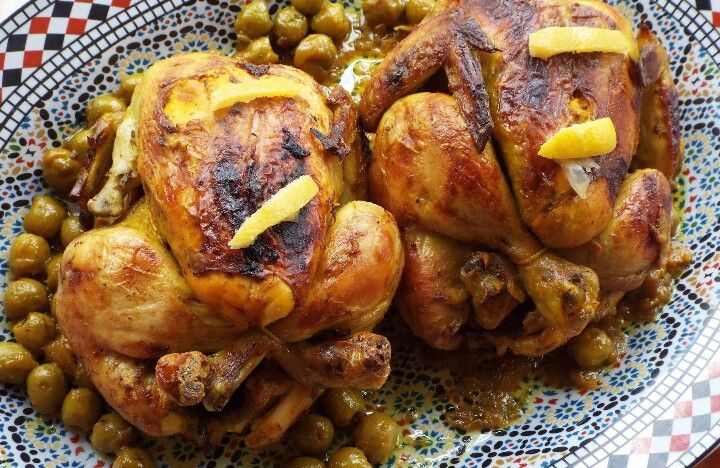
No Moroccan wedding is complete without roasted chicken, often referred to as “wedding chicken.” This dish takes center stage, typically served as the first main course after appetizers. Its origins can be traced back to the 12th and 13th centuries, with references found in one of the oldest known cookbooks from the Iberian Peninsula:
Kitāb al-Ṭabikh fī al-Maghrib wa al-Andalus fī ʽAṣr al-Muwaḥḥidīn (The Book of Cooking in the Maghreb and al-Andalus in the Era of the Almohads) by an unknown author.
One version titled Madhūna describes the preparation process: take a cleaned whole chicken, leave it intact, and slightly cut open without separating the sides. Rub the chicken inside and out with oil, murri infusion, vinegar, cumin, saffron, pepper, clove, bay leaf, cinnamon, ginger, and salt. The chicken is then placed in a pot, covered with oil and marinade, sealed with a lid topped by a brazier, and cooked in the oven until fully done.
Roasted Lamb: A Symbol of Celebration
Roasted lamb is another staple on the Moroccan wedding table. One of the earliest recorded recipes for this dish appears in Fiḍālat al-Jiwān fī Ṭayyibāt al-Ṭaʿām wa-l-Alwān (The Virtue of the Table in the Goodness of Food and Colors), a 13th-century cookbook by Murcia scholar Ibn Razīn al-Tujībī. The recipe includes steps such as taking choice cuts of lamb, cleaning them well, and placing them in an iron tagine. Water, salt, oil, pepper, dried coriander, and a piece of chopped onion are added, along with as much murri infusion as desired.
The pot is placed over the fire, and once the meat is nearly done, the recipe suggests enhancing it with dissolved saffron before transferring it to the oven. Another variation involves an entire roasted lamb, with instructions to skin the lamb, clean the entrails, and wrap them with fat using thin intestines. The lamb is stuffed, covered, placed in a large tagine with its broth, and doused with a sauce made with water and oil. It is then baked until fully cooked.
Kaab el Ghazal: A Sweet Delight
After the hearty feast, it’s time for sweets. In Moroccan weddings, Kaab el Ghazal (gazelle horns) is a must-have. Often called the king of Moroccan pastries, it is typically served with mint tea. While the iconic horn shape we know today was not always the case, the recipe for Kaab el Ghazal appears in Fiḍālat al-Jiwān. It begins with moistening flour with oil and kneading it with hot water mixed with salt, forming a firm dough. Ground anise, absinthe, pepper, and ginger are added, followed by a sweet almond and sugar paste blended with rosewater.
The filling is then formed into delicate rolls, rolled out, filled, and sealed. The edges are twisted into strands, resembling kaak (ring-shaped pastries), but left elongated. These are baked and served as is. Some variations include crushed pine nuts in the filling and a peeled pine nut in each piece.
Pastilla: A Timeless Favorite
Another staple of Moroccan wedding cuisine is pastilla, a savory pie filled with pigeon, cinnamon, almonds, saffron, onion, and eggs. Though the full recipe isn’t mentioned by name in the two Almohad-era cookbooks, a remarkably similar filling appears in the 13th-century cookbook by Ibn Razin. The recipe closely mirrors the modern version, calling for a two-step cooking method where the filling is first cooked in a pot and then finished in the oven.
When you’re invited to a Moroccan wedding, the food you're served is more than just a meal—it's a journey through history, reflecting the deep-rooted traditions and culinary artistry of the region.