
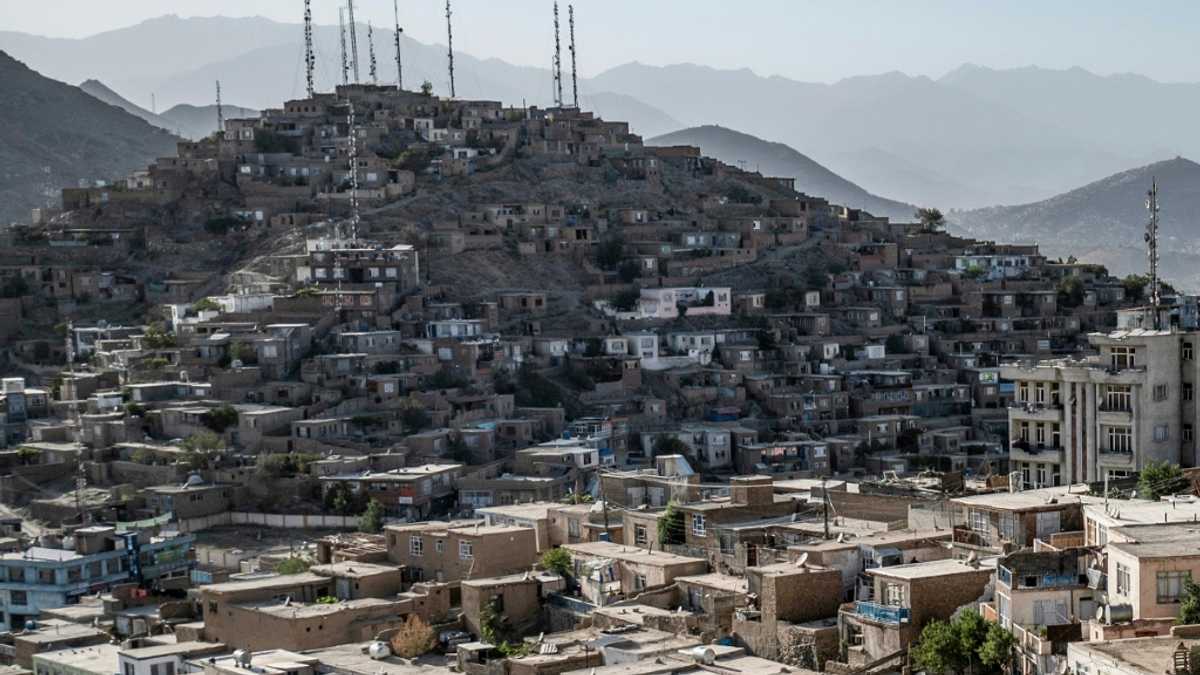
Rising Housing Costs and Struggles for Returnees in Kabul
The housing crisis in Kabul has intensified as thousands of Afghans return from neighboring countries, particularly Pakistan and Iran. The situation has become increasingly dire, with rising rents and limited availability making it difficult for many to find affordable places to live. Mohammad Mohsen Zaryab, a 47-year-old factory worker, is one of many returning Afghans who have struggled to secure stable housing.
Zaryab returned to Afghanistan in July, expecting some level of support for those who had been displaced. However, he found that the city’s rental market was unaffordable for his family of eight. He approached landlords, begging for lower prices, but was met with the response, “If you can't pay, someone else will.” This experience reflects a broader trend among returnees, who often arrive with little more than their belongings, hoping for better opportunities in a country where half the population lives below the poverty line.
According to the United Nations refugee agency, over 2.1 million Afghans have returned from Pakistan and Iran this year alone. These figures include individuals who were either deported or forced to leave due to fears of arrest. Many of them arrived in Kabul, the capital, which has a population of around eight million people, hoping to find work and stability.
Skyrocketing Rents and Limited Supply
Rental prices in Kabul have surged dramatically, placing an unbearable burden on residents. A year ago, a three-room house would cost an average of 10,000 Afghanis ($145) per month. Today, the same property costs double that amount. For many Afghans, who earn less than a dollar a day, this increase is simply unmanageable.
Nabiullah Quraishi, head of a property dealership, explained that the demand for housing far exceeds the supply. He noted that landlords used to frequently visit his business seeking help renting out properties. Now, the opposite is true — there are more people looking for homes than available units.
Real estate agent Hamed Hassani highlighted the impact of the influx of returnees. He said that landlords have taken advantage of the situation by doubling their rents. Hassani called for government intervention to address the growing crisis, emphasizing that many refugees cannot afford the current rates.
Despite these challenges, the municipality denies any housing crisis in the city. However, urban development projects, including the construction of new roads, have further strained access to housing. These projects often involve demolishing existing residences, adding to the displacement of families already struggling to survive.
Urban Anarchy and Unplanned Growth
Municipality spokesman Nematullah Barakzai acknowledged that much of the city's growth has been unplanned. He stated that 75% of Kabul’s development has occurred without proper oversight. While the city aims to avoid repeating past mistakes, the lack of regulation continues to exacerbate the housing problem.
For long-time residents, the situation is equally challenging. Tamana Hussaini, a sewing teacher in western Kabul, faces a rent increase from 3,000 to 4,000 Afghanis for her family’s three-bedroom apartment. She and her family of eight tried to move out, but high rents made it impossible. "It's a frustrating situation where you can't stay, but you can't leave either," she said.
Families in Crisis
Zahra Hashimi, another resident, lives in a single basement room that has been her home since she and her family returned from Iran. Her husband earns about 80 Afghanis per day, barely enough to cover basic needs. Their home lacks electricity and running water, making daily life extremely difficult.
Hashimi’s eldest daughter is no longer able to attend school under the Taliban’s policies, which prohibit girls from receiving education. Although her two younger daughters can still attend primary school, the family cannot afford tuition. The financial strain has pushed many families into desperate situations, with no clear path forward.
As the housing crisis deepens, the need for urgent solutions becomes more apparent. With rising rents, limited availability, and increasing numbers of returnees, the situation in Kabul shows no signs of improvement. For many, the struggle to find a safe and affordable place to live continues to define their reality.