
The travel industry in Vietnam is experiencing a major change, moving towards tailored experiences. For success, the sector requires experts who possess analytical skills and knowledge of contemporary tourism approaches.
The global tourism landscape has undergone significant changes since the pandemic, as the habits and desires of travelers have changed. In the last two years, younger people have shown less enthusiasm for basic "check-in" vacations or traditional sightseeing tours.
Rather, they look for more meaningful, tailored experiences that have cultural and emotional significance. Numerous individuals are opting for workcations, living as digital nomads, or establishing themselves as travel influencers on social media platforms.
This movement requires the industry to go beyond standard services and focus on "personalized" offerings—trips that are culturally immersive, genuine, and unique.
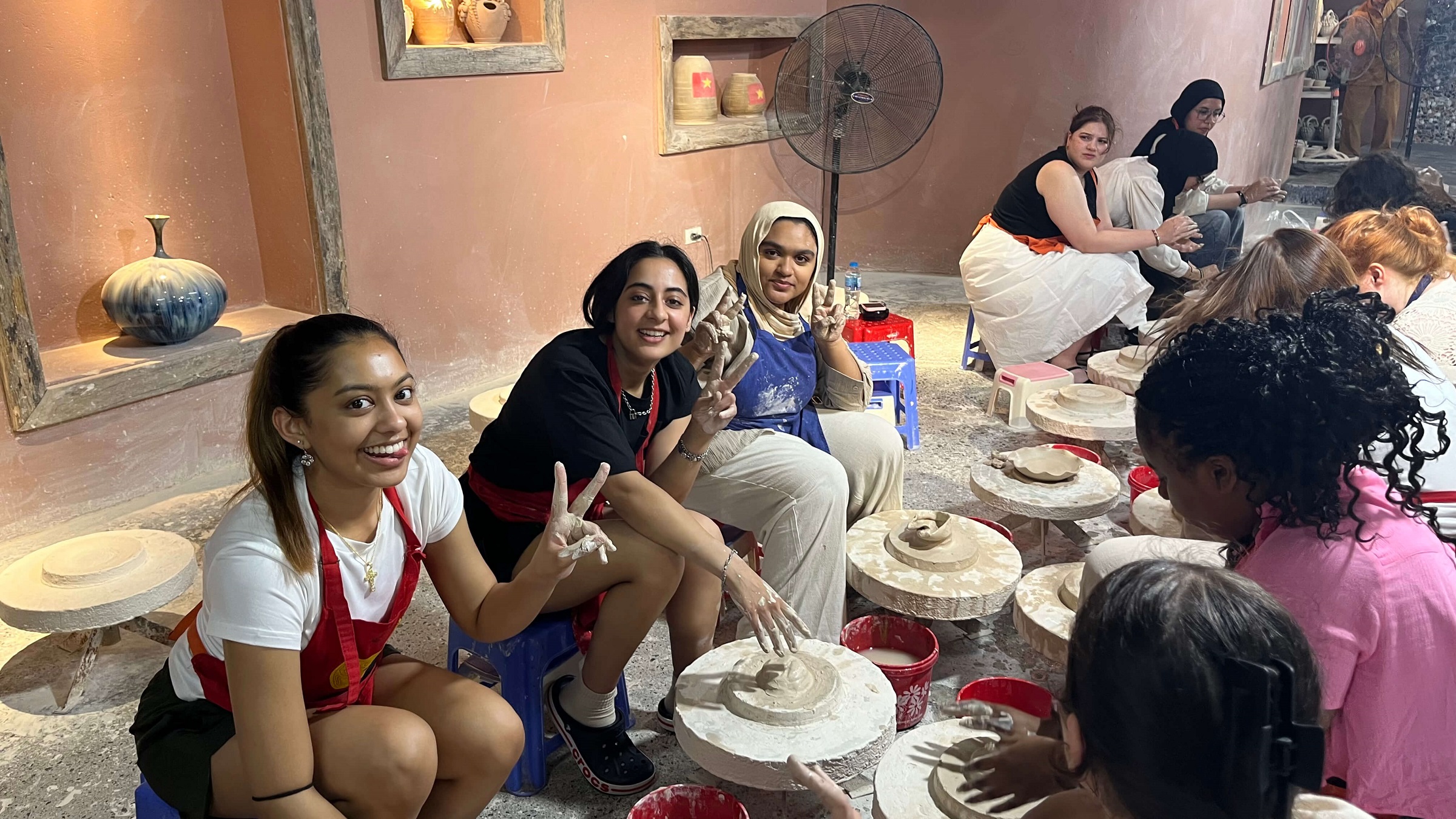 |
| International students visit Bat Trang Pottery Village in northern Vietnam. Photo provided by BUV |
"Travel isn't solely about relocating individuals between locations. It's about providing genuine, eco-friendly experiences," states Dr. Maren Viol, Head of Tourism and Hospitality Management at British University Vietnam (BUV).
She highlights that the workforce requires more than just technical skills; they need to assess markets and create unique travel offerings within a fiercely competitive global environment, crafting experiences that benefit both tourists and local communities.
The Economic Impact Research 2024 from the World Travel & Tourism Council states that tourism represents one out of every ten jobs globally, positioning it as one of the fastest-growing sectors. This creates numerous prospects for young professionals who possess a forward-thinking approach and flexibility.
The tourism industry in Vietnam is experiencing a significant shortage of skilled labor: approximately 40,000 new employees are required each year, yet only 20,000 are available, with just 43% of the existing staff having formal professional training.
BUV is at the forefront of tackling this gap. Its Tourism Management program, accredited by Bournemouth University (U.K.) and placed 5th worldwide for Hospitality & Tourism Management according to the 2024 Shanghai Ranking, provides globally acknowledged certifications.
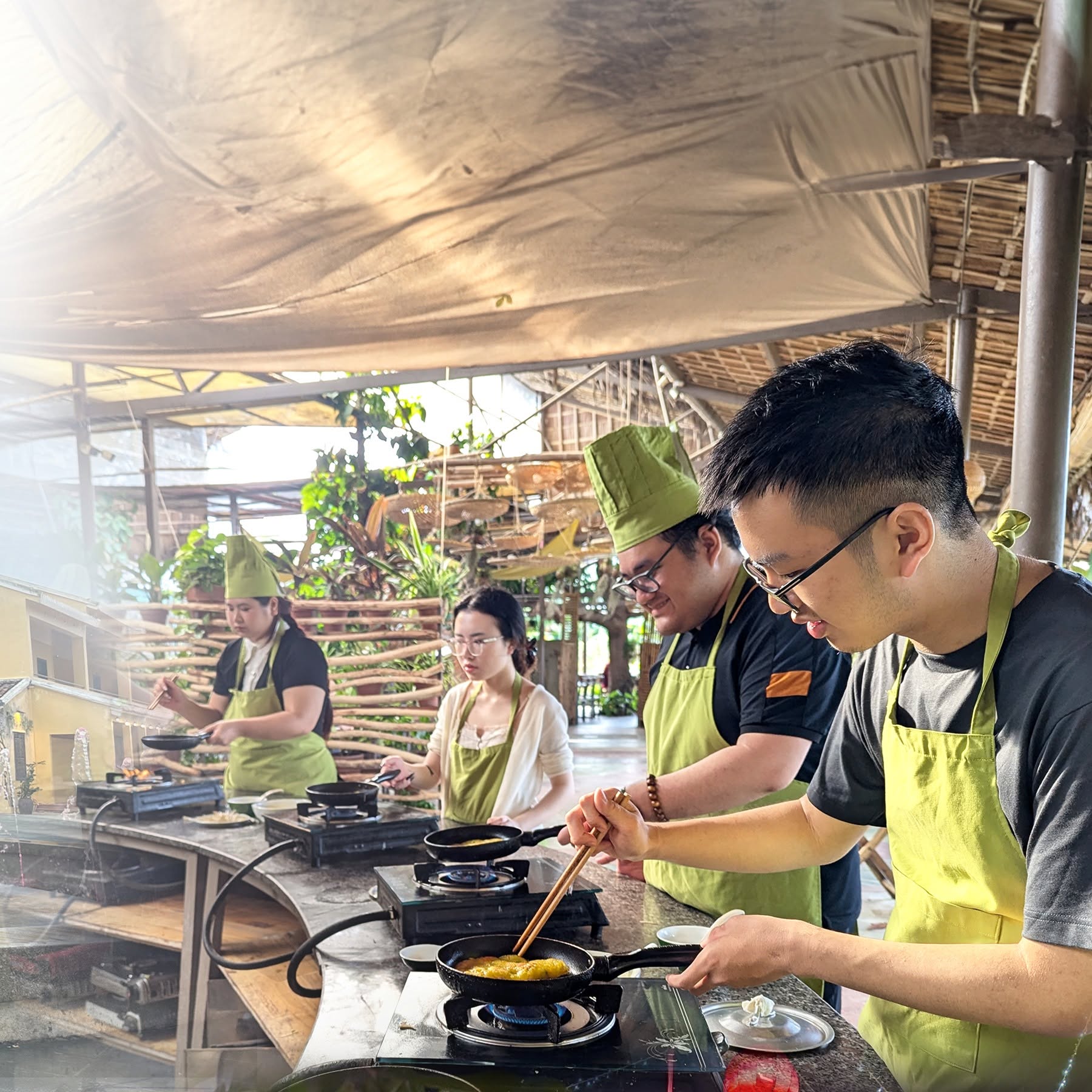 |
| Students studying Tourism Management at BUV during a field trip investigating social enterprise models in Hoi An, central Vietnam. Photo provided by BUV |
Instead of focusing mainly on theoretical concepts, BUV's program emphasizes hands-on learning.
Pupils gain knowledge via globally recognized curriculum, practical assignments, local and international excursions, and firsthand interaction with professionals in their fields.
BUV also features a student branch of PATA (Pacific Asia Travel Association), a worldwide non-profit organization that supports eco-friendly tourism across the Asia-Pacific area.
Membership provides students with chances to connect with others, participate in field workshops, and attend global events.
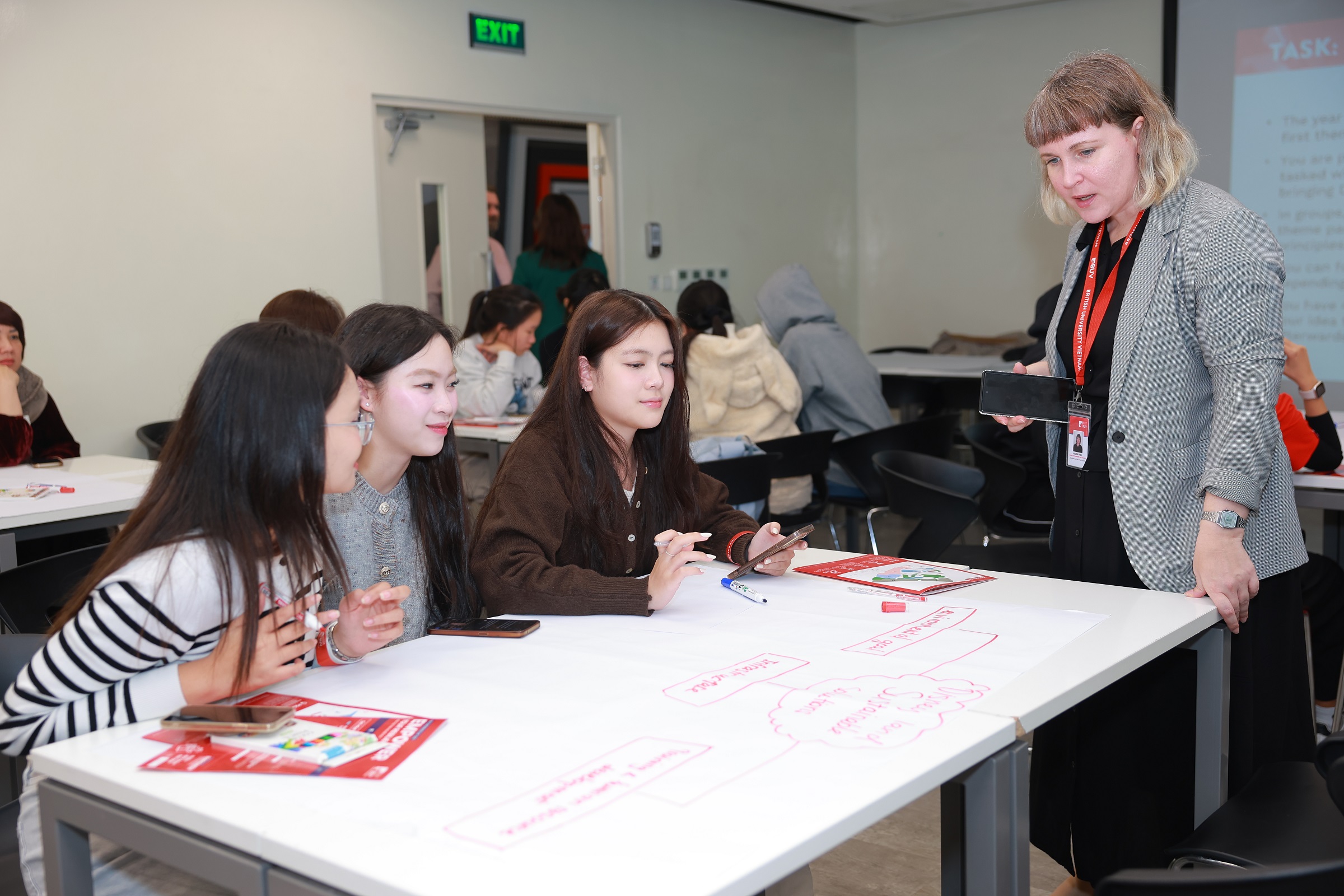 |
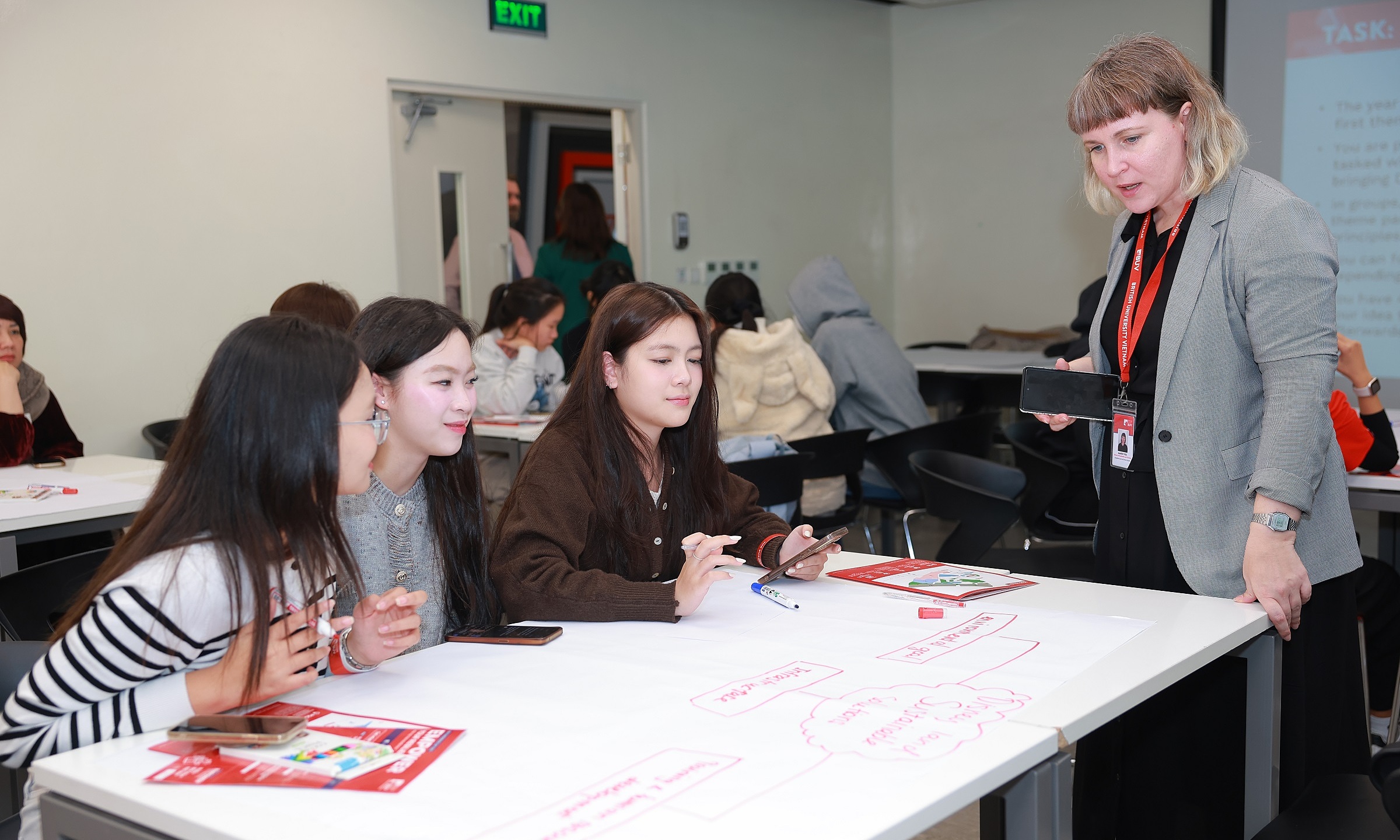
| Students discussing ideas in a Tourism Management class at BUV. Photo provided by BUV |
During the course, learners develop an understanding of visitor behavior, location administration, travel planning, cultural product creation, and eco-friendly approaches.
"Our objective is to provide students with extensive knowledge, covering areas such as product design and service operations, as well as destination management, while promoting ethical leadership and creativity," Viol states.
In support of this, BUV collaborates with top hospitality brands including JW Marriott, InterContinental, Hilton, and Vinpearl to offer five-star internships. It also works with international tour operators like Discova and Intrepid Travel, providing hands-on experience in travel planning, destination management, and eco-friendly tourism.
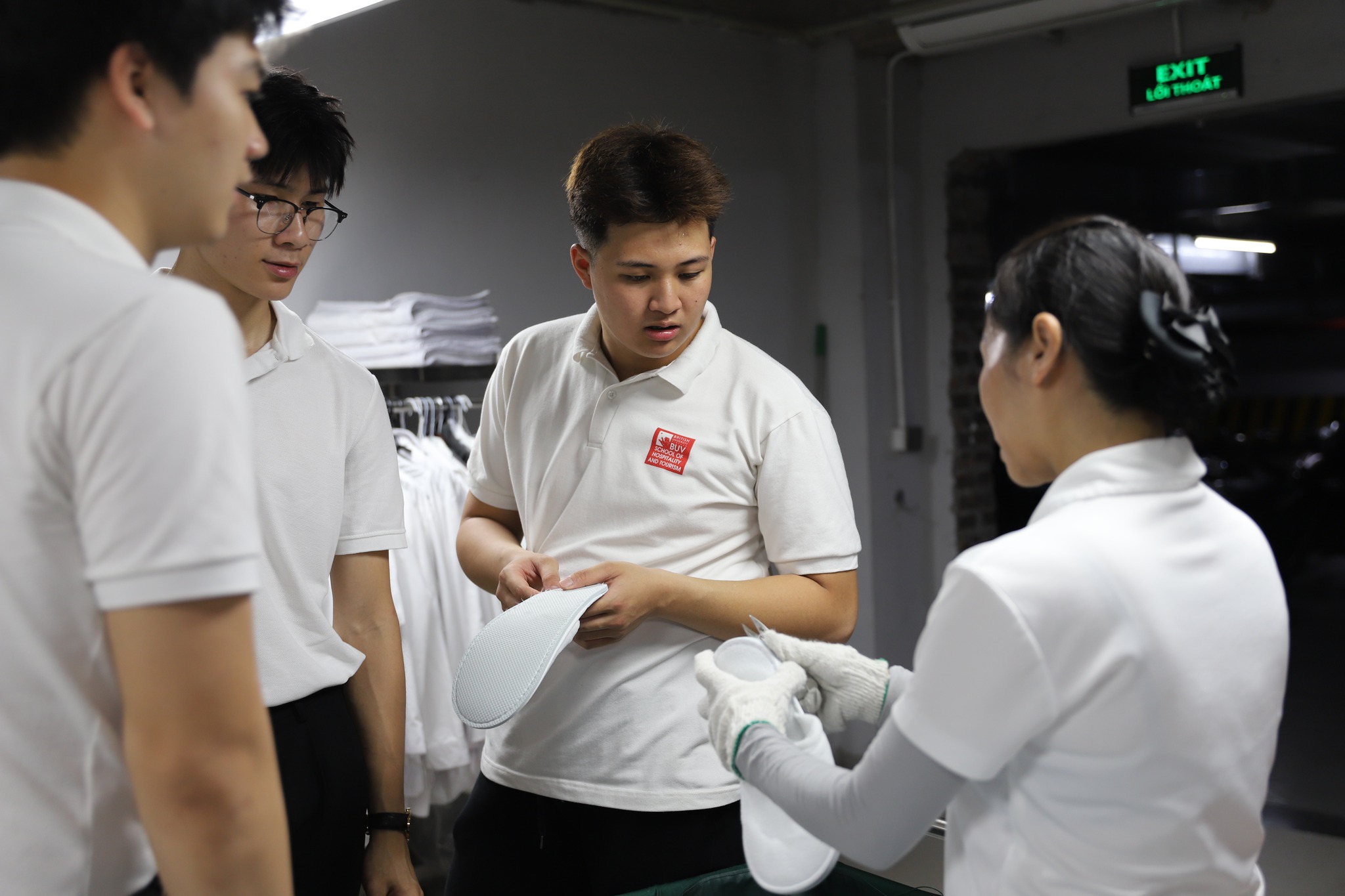 |
| Students from BUV gain insight into quality management procedures at Crowne Plaza Vinh Yen City Center, a five-star hotel part of the global IHG chain. Photo provided by BUV |
Practical experience distinguishes BUV graduates from others.
Quoc Huy Pham, the Front Office Manager at Novotel, commends BUV students for their initiative, thoughtful inquiries, comprehensive readiness, and strong desire to acquire knowledge.
Lan Anh Nguyen, a third-year student majoring in Tourism Management, mentions that field trips and business projects have shown her that tourism involves handling customer experiences and developing distinctive offerings. "This base of knowledge boosts my confidence in aiming for management positions."
Graduates have the opportunity to enter high-demand professions like Destination Marketing Director, Tourism Product Designer, Business Development Manager, or Sustainable Tourism Consultant. According to BUV, 100% of its graduates secure employment or proceed to further studies within three months of graduating.
The British University Vietnam is the pioneering educational establishment in Vietnam that has achieved a 5-star rating by Quacquarelli Symonds (QS), and it is also the first in both Vietnam and ASEAN to obtain international accreditation from the U.K.'s Quality Assurance Agency (QAA), two of the most respected organizations in evaluating educational standards globally.
See here for further details regarding the Tourism Management program at BUV.