
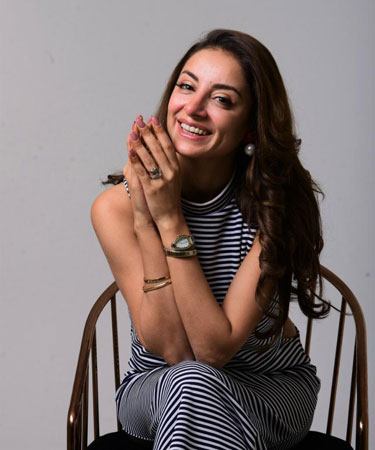
A Career of Purpose and Principle
Sarwat Gilani, a name synonymous with thoughtful choices and strong screen presence, has always been known for her discerning approach to the projects she takes on. From television dramas such as Mata-e-Jaan Hai Tu and Dil-e-Muztar, to more recent groundbreaking works like Churails and Joyland, her career reflects a deep commitment to meaningful storytelling. Her work not only showcases her talent but also highlights her understanding of how narratives shape cultural values.
In a recent appearance on the Talha Ahad Podcast, Gilani delved into the challenges facing Pakistan’s entertainment industry, sharing her insights on its systemic issues. Her perspective is shaped by a unique blend of artistic and academic background, including a degree in graphic design from the Indus Valley School of Art and Architecture.
From Design to Acting: A Shift in Creative Expression
Reflecting on her early career, Gilani shared that after graduating, she worked as a designer for six months. However, she found the experience stifling. “I wasn’t allowed to think outside the box,” she said, recalling the constraints of the job. This lack of creative freedom led her to leave the field and explore acting through a television commercial. “I felt free during it. It was a nice experience and I just held onto it after that.”
Her journey in television spanned about 17 years, though she stepped back from the industry seven years ago. She explained that her decision was rooted in her desire to support stories that empower women and challenge gender norms. “I feel for the girls when I read a story. I always want to pick narratives that feature female empowerment, break gender stereotypes and show you how to fight for what's rightfully yours.”
The Struggle for Quality and Authenticity
Gilani emphasized that she often turned down roles that didn’t align with her vision. “I always need to strongly connect with the script and tell newer and more uplifting stories.” This approach led her to reject many opportunities, eventually resulting in fewer offers from the industry.
When she left acting, she made it clear that she was content with the direction her life had taken. “I was okay with not getting offers anymore. I moved on from acting and got involved in activism and philanthropy instead.” She became part of a non-profit organization that hosted Olympic events for special children, finding fulfillment in this new path.
Challenging Norms Through Bold Projects
Gilani’s choice to participate in bold and unconventional projects came with its own set of challenges. She recalled the release of Churails, a webseries that premiered in 2020 on an Indian platform. “We already knew it would get us in trouble and we didn't care,” she said. The story of female vigilantes in Karachi, who drink alcohol and carry guns, was groundbreaking and had never been told before.
Similarly, Joyland, released in 2022, tackled themes of gender fluidity and acceptance. “It was new and well made. Due to this, it was screened at the Cannes Film Festival. Not only was it screened, it also won awards. That's a huge deal!”
Industry Politics and Performative Activism
Despite the global acclaim of these projects, Gilani noted that they received little recognition within Pakistan’s entertainment industry. “There is a lot of politics in our industry for sure. You follow a trend and become part of a clique to get jobs.” She criticized the lack of support for progressive projects, adding that it was sad to see such critically acclaimed films receive no praise from within the industry.
She also called out fellow actors who claim to be feminists but choose regressive scripts. “It's kind of hypocritical. The actresses that call themselves feminists and claim to support Aurat March will not hesitate while choosing a regressive and backwards script.” She stressed that true feminism should involve rejecting demeaning roles.
A Broader Perspective on Systemic Issues
Gilani’s liberal arts education helped her understand the deeper issues within the entertainment industry. “Even while working in advertising, it had the same problem. If you want to sell soap, put a woman there, if you want to sell milk, make a woman stand next to it. It's exhausting and we have more to offer.”
Her journey from graphic design to acting, and later to activism, reflects a lifelong pursuit of authenticity and purpose. Through her work, she continues to challenge norms and inspire change, both on and off the screen.