
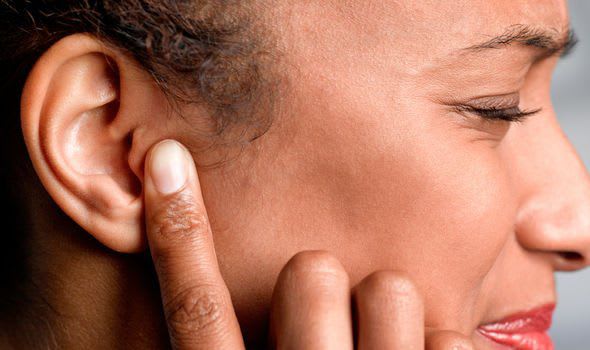
Experiencing water getting stuck in the ear is a frequent and unpleasant situation, particularly for swimmers, gym enthusiasts, or individuals who enjoy long, hot showers. Although it typically goes away by itself, the sensation of fullness and muffled hearing can be annoying and potentially dangerous if not addressed correctly.
Here's what you should be aware of regarding the causes, methods for safely removing the water, and signs that indicate when consulting a physician may be necessary.
Why does water remain in your ear?
Your ear canal has a twisted structure, and when water enters, it can occasionally get stuck because of the ear's shape or the presence of earwax. Individuals with narrow ear canals or significant wax accumulation are more likely to experience this issue.
At times, water remains inside due to surface tension keeping it secure, particularly if you tilt your head incorrectly or use earbuds that may force moisture further in.
READ THIS: Why you should avoid removing wax from your ears
How to safely remove water from your ear
If you experience a "plugged" feeling or notice sloshing noises, attempt these mild, research-supported techniques:
1. Tilt and tug
Tilt your head so the ear that's bothering you is facing down. Gently pull your earlobe in various directions. This may help align the ear canal and let gravity assist.
2. Create a vacuum
Place your palm softly against your ear to form a seal, then rapidly move your hand up and down. This can generate a slight vacuum that might help remove the water.
3. Perform the "Valsalva maneuver"
Shut your mouth, press your nose, and softly blow out to equalize your ears. This technique can assist in opening the Eustachian tubes and facilitating the drainage of water trapped inside.
READ MORE: Five possible causes of ear ringing and how to address it
4. Attempt using warm air or vapor
Use a hair dryer on the lowest heat level, keeping it at least 30cm from your ear. The heat could assist in drying out the moisture. As an alternative, tilt your head afterward to let the water drain out.
5. Apply non-prescription ear drops
If you frequently experience water trapped in your ears, think about purchasing ear drying drops or preparing a homemade solution (a combination of rubbing alcohol and white vinegar). These solutions assist in removing the water and reduce the risk of infection.
READ MORE: Here's a natural method to clear blocked ears
What not to do
Numerous individuals err by inserting items into their ears, such as cotton swabs, hair clips, or hands. Avoid doing this.
Doing so can:
Additionally, refrain from using oils or homemade mixtures unless recommended by an expert. The inner part of your ear is sensitive. When dealing with it, less is better.
When to Consult a Physician
If water remains in your ear for over 24–48 hours, or you begin to feel:
...it might indicate an infection, commonly referred to as swimmer's ear. In such instances, you may require antibiotic drops or professional medical care to avoid further issues.
Tips to prevent it from happening again
If this occurs frequently to you:
Water in the ear is typically not a concern, but it may lead to discomfort or infection if not addressed. Therefore, the next time your ear feels as though it's filled with water, attempt tilting, tugging, or using a warm air source to relieve it.
RECENT: Why Nigerians Frequently Face Visa Rejections and How to Address the Issue