
A Perilous Night on Maine's Highest Peak
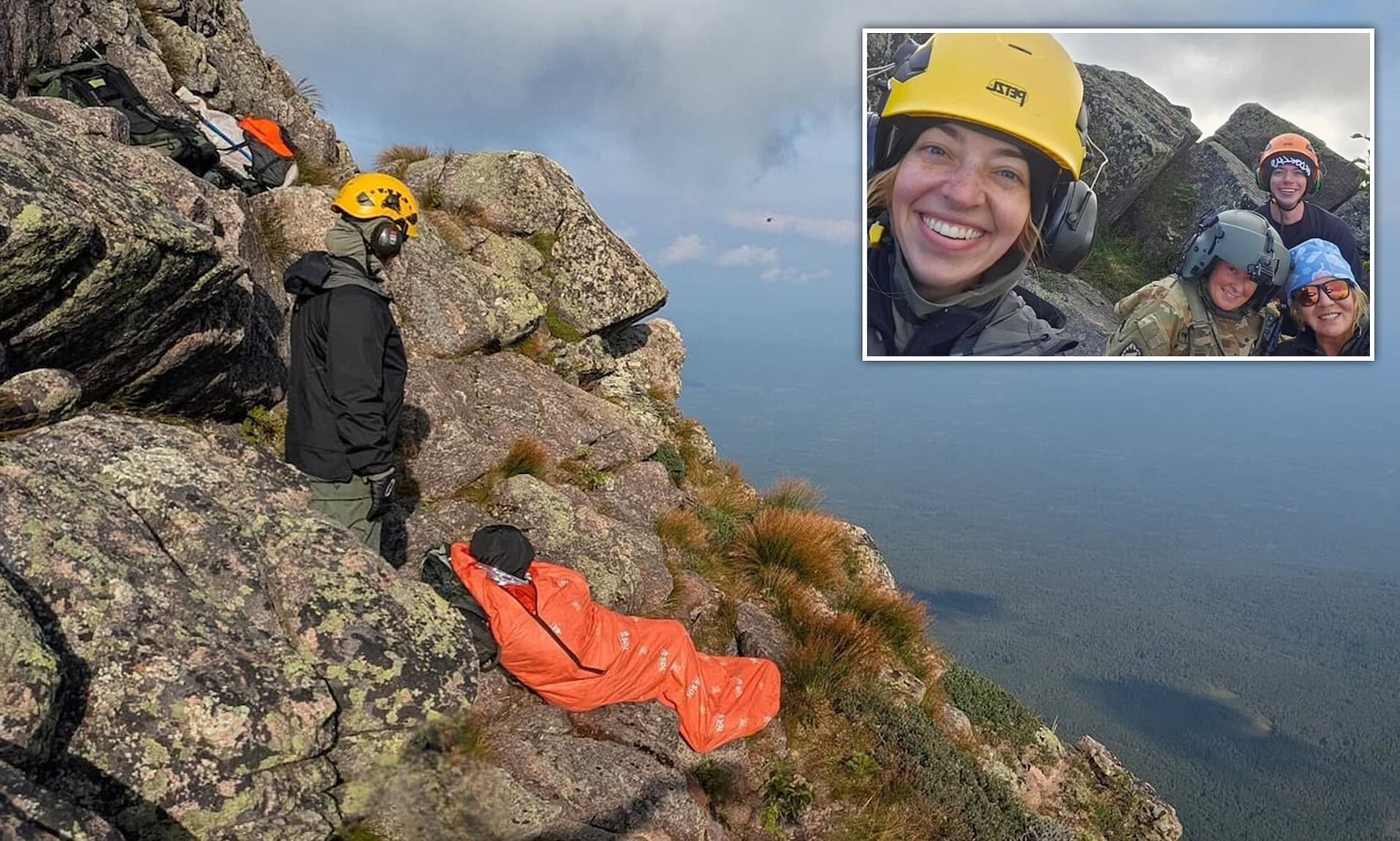
A group of hikers found themselves in a life-threatening situation while attempting one of the most challenging trails in Maine. Beata Kosc, 47, and Courtney Doyon, 32, were stranded on Mount Katahdin’s Knife Edge trail after a sudden change in weather forced them to spend 24 hours clinging to a narrow ledge.
The pair began their journey at 7 a.m., with favorable conditions and clear skies. They had planned carefully, bringing along windbreakers, rain jackets, flashlights, an aluminum foil blanket, and water. However, Kosc made a last-minute decision to remove her thermal base layer hoodie, a choice she would later regret.
By lunchtime, they reached the summit of Mount Katahdin, which stands at 5,269 feet. The real challenge came when they started the Knife Edge trail around 4 p.m. The trail is known for its steep drop-offs and narrow paths, making it one of the most dangerous hikes in the region.
As the wind picked up, Kosc lost her footing, and her old knee injury flared up. The pain was too much to continue, so she and Doyon took shelter next to two rocky ledges as the sun set. The weather quickly worsened, and by 10 p.m., the group faced even more severe conditions.
During the night, a father and his 13-year-old son appeared in the distance, but the hikers were so delirious from the cold and exhaustion that they initially thought they were hallucinating. After realizing the danger, the father and son joined Kosc and Doyon, and together they called for emergency services.
By 2 a.m., the conditions had become even more treacherous. The rain was relentless, and the group clung to slippery rocks to avoid falling over the edge. A park ranger advised them to move toward the tree line, but Kosc was too weak and dizzy to make the attempt. They stayed put and shared a small thermal blanket to stay warm.
Rescue and Reflection
By late Friday morning, search and rescue volunteers and park rangers finally reached the group. They brought warm layers and escorted Doyon, the father, and his son down the mountain. Other rescuers remained with Kosc until around 6 p.m., when a Maine National Guard helicopter arrived.
Kosc was overwhelmed with emotion upon seeing the helicopter. "This mountain taught me to be prepared for the unknown," she said. "It reminded me how strong I am."
Kosc, a deeply spiritual person and a graduate student in clinical psychology at Columbia University, has always found solace in nature. She began climbing mountains during the pandemic, seeking community and connection through outdoor adventures. Last year, she embarked on the entire Appalachian Trail, which stretches from Georgia to Katahdin.
Mount Katahdin, part of the Appalachian mountain range, is not only the highest peak in Maine but also one of the most dangerous. Over 60 people have died on the mountain since officials began tracking deaths in 1993. In 2020, two hikers died within days of each other, and in June of this year, a father and daughter tragically succumbed to the elements near the summit.
The mountain was named after the Penobscot Native Americans, and its name means "great mountain." Despite its beauty and allure, Katahdin remains a place where preparation and respect for nature are essential for survival. For Kosc and Doyon, their harrowing experience was a powerful reminder of the unpredictable forces of nature and the importance of being ready for the unknown.