
Key Information:
there needs to be greater funding from the government and local partners.
In modern times, where technology influences almost every part of daily life, healthcare systems worldwide are progressively adopting digital solutions to enhance the quality of care. Digital health is not something achieved alone. Uganda's advancements have mainly been made possible through cooperative partnerships that unite government bodies, non-governmental organizations, private tech companies, and global development agencies. Although policy structures and collaborations are crucial, the most compelling proof of progress can be seen in actual developments on the ground. Uganda is currently implementing several pilot initiatives in four districts located in the West Nile and Lango sub-regions, showcasing the impactful potential of digital health technologies.
One of the most significant advancements is the implementation of digital reporting systems by Village Health Teams (VHTs). Rather than depending on paper forms, which are frequently delayed or lost, VHTs now utilize mobile applications to gather and send data in real time. These platforms enable them to record comprehensive health metrics, such as poverty rates, disability information, teenage pregnancies, and home births. Although there has been considerable development, Uganda's digital health initiative still faces several challenges. Problems like limited internet access, power supply, digital skills, and data protection continue to be major barriers, especially in remote areas. Additionally, the expense of expanding digital health solutions is substantial. Many existing programs are funded by external donors, leading to concerns about their long-term viability. For digital health to thrive beyond initial trials, there needs to be greater funding from the government and local partners.
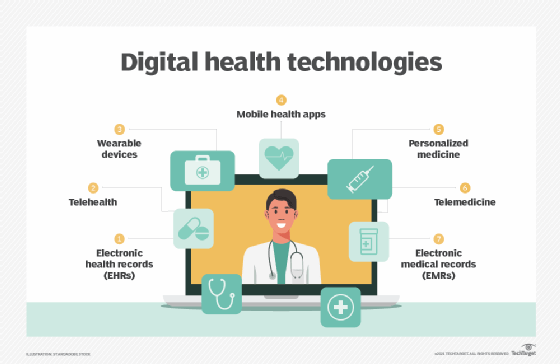
The Ministry of Health is making significant efforts to ensure that all digital health solutions can work together, preventing redundant work and creating a more unified health information system. To tackle these challenges, Uganda is actively enhancing its eHealth policy and developing a national digital health strategy that outlines clear directions for system development, data management, and training. This approach will make sure that digital health technologies are not just short-term initiatives but become permanent elements of the country's health system. Looking ahead, it is evident that digital technologies will have an even bigger impact on Uganda's healthcare system. From telemedicine and electronic medical records to AI-driven diagnostics and mobile health education, the opportunities are vast. What remains crucial is that these technologies are created and implemented with people at the core.
The Ministry of Health is dedicated to collaborating with all relevant parties to increase digital health programs throughout the nation. Efforts are already in progress to implement effective pilot models in additional regions, improve training for medical personnel, and assist local creators in producing indigenous solutions. Significantly, the government acknowledges the importance of involving young people, women, and underrepresented communities in the digital health movement, ensuring that no individual is excluded. Uganda's experience with digital health technologies serves as a clear demonstration of how innovation, when effectively managed and strategically applied, can lead to meaningful improvements in people's lives.
Written by Mr Geofrey Isiko, senior assistant secretary, Ministry of Health, Kampala
Keep yourself informed by following ourWhatsApp and Telegram channels;
Daily Monitor Telegram channel
Daily Monitor WhatsApp Channel