
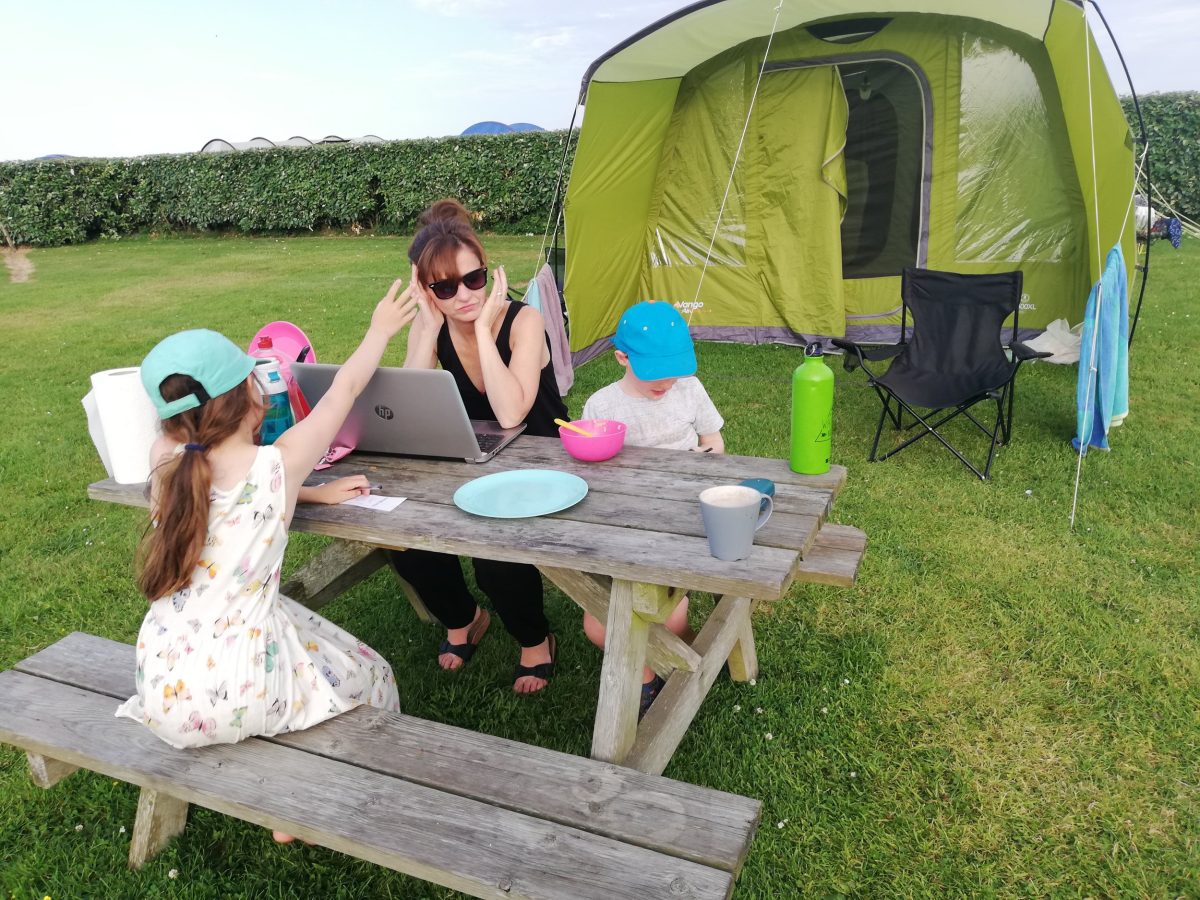
The Struggle of Summer: A Parent’s Perspective
As the school gates close for the summer, many parents are not looking forward to a break filled with relaxation and family time. Instead, they find themselves in a frantic race against time, dealing with anxiety over how to afford the costs associated with keeping their children occupied during the long holiday. This has sparked a debate about whether the school summer break should be shortened to just four weeks.
According to a poll by charity Parentkind, more than half (53 per cent) of families support this idea, with even higher numbers among those with children who have special educational needs (SEND). Former chief inspector of schools, Sir Martyn Oliver, believes shorter breaks could help children return to school more "dysregulated" and out of routine after a long holiday, making the transition back into learning more difficult. However, teachers are less enthusiastic, with only 24 per cent supporting the plan.
For many families, the long summer break is not an opportunity to make memories but rather a financial burden. As a family of four with two working parents, the cost of managing the summer months is significant. We’ve calculated that keeping two young children safe and entertained will cost us over £2,000. This includes one shared family holiday for 10 days and additional expenses for holiday clubs.
We manage the situation through a combination of reduced work hours, extra annual leave, and spending on expensive holiday clubs. My youngest child attends nursery until the end of August, which costs around £700 for the summer. Our eldest daughter is booked into nine days of holiday clubs, which range from sports to creative arts and theatre. These camps can cost between £40 and £60 a day in London, and most do not offer discounts through the government’s tax-free childcare programme.
Council services often provide cheaper alternatives, but space is limited and demand is high. According to Coram’s annual holiday childcare survey, the cost of holiday cover has increased by 4 per cent in one year, with an average weekly cost of £179 per child for full-time childcare. For a six-week summer break, this could exceed £1,000 per child for a parent unable to take time off.
While the government has focused on the cost of routine childcare for children under school age, less attention has been given to the mini crisis that hits families every summer. Even when parents pay vast sums for supportive childcare, many holiday activity camps in the UK run from 10am to 3pm, forcing some parents to negotiate home working agreements or pay for additional wraparound care.
With no family support this summer, many parents have no choice but to book high-cost clubs. However, the reality is that the British summer involves early starts and late finishes to fit paid work around childcare. Research shows that most parents are in the same position, with over a third feeling guilty about not spending enough time with their children during the summer.
The juggle causes strain on relationships, with over a third saying a lack of flexibility around holiday time has led to conflict over childcare responsibilities. Martina, a self-employed writer, and her husband have had to reduce their work hours to manage the summer. Heidi Ellert-McDermott, who runs a global speechwriting business, is dreading her summer break, which will involve working while managing her children’s activities.
For working parents, the school summer holidays bring parental burnout and guilt. Hearing from families who don’t need two parents in work and are planning restful breaks doesn’t help. Instagram posts reminding parents that they only have 18 summers with their kids add to the pressure.
Many of us will have different memories of our childhood summers, but today’s parents are more likely to both work full-time and live far from relatives who could offer informal support. Smaller families mean fewer older children to keep an eye on younger siblings. Despite this, there is little flexibility from employers. In the UK, there is still far too little leave to cover parenting responsibilities during the holidays.
In contrast, in parts of Europe and the US, August is often seen as a month for family time, with productivity expected to drop. However, in the UK, despite generous holiday entitlements, there is still far too little slack cut by employers.
For single parents, the challenges are even greater. Vaila McClure, head of engagement at Gingerbread, emphasizes the need for the government and employers to do more to support these families. For parents supporting children with SEND, there is often no option but to lose out on earnings.
Whether you’re full-time staff or self-employed, and ploughing through with children at your feet or paying through the nose for activities, the message for working parents is clear: even if it feels like it, you’re not alone.